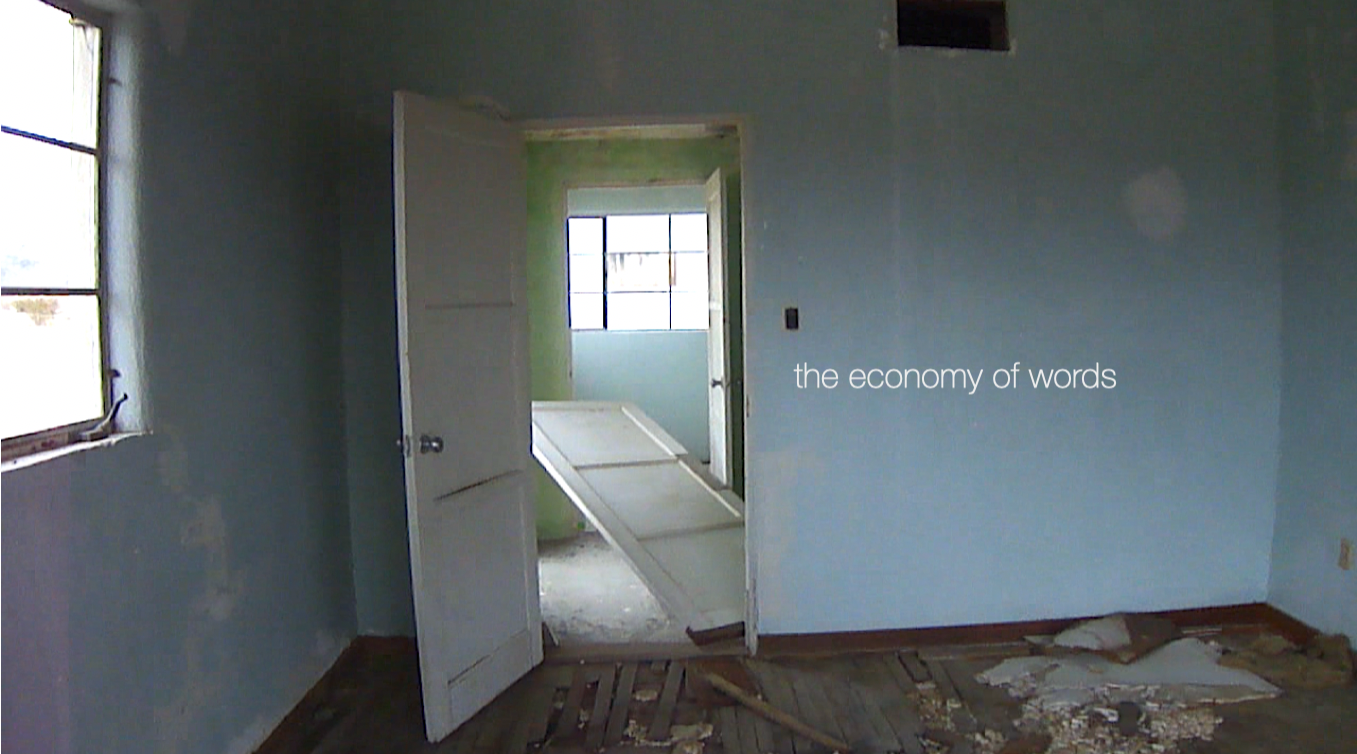
The Economy of Words is the travels of two strangers who escape the cold winter climate of the East coast in search of warmer weather and brighter skies : it is an escape from city constraints into the wild and into open roads, through deserted cities and towns, along highways and into deserts, crossing abandoned railways and villages.
I follow Jasper, a young photographer from Brooklyn, who seamlessly wanders into these various picturesque scenes- - like a brush to a painter or a chisel to a sculptor, Jasper works with his camera in hand ; a camera acquired outside a hospital in Pennsylvania, on our very first evening on the road, from a grandson selling his dying Grandmother’s Pentax.
This body of work, created over 4000 miles of road, is comprised of films, photographs, and texts— three mediums utilised to document, and archive a moment in place and time within a country in deep turmoil.
The Economy of Words is the paradox of a highly populated land and the silence one can succumb to.
This voyage will take shape into a book, as well as in a physical space where the images, texts, and videos will be curated together.
It is important to state, however, that The Economy of Words does not seek to criticise or to be political : it is a merely a documentation of man and of landscape.
It is a window onto a world traversed by two strangers, captured over the course of several weeks.
It is a modern tale of the Gold Rush, where the ultimate discovery out West is the remains of burnt homes following a series of man-made ravenous fires.
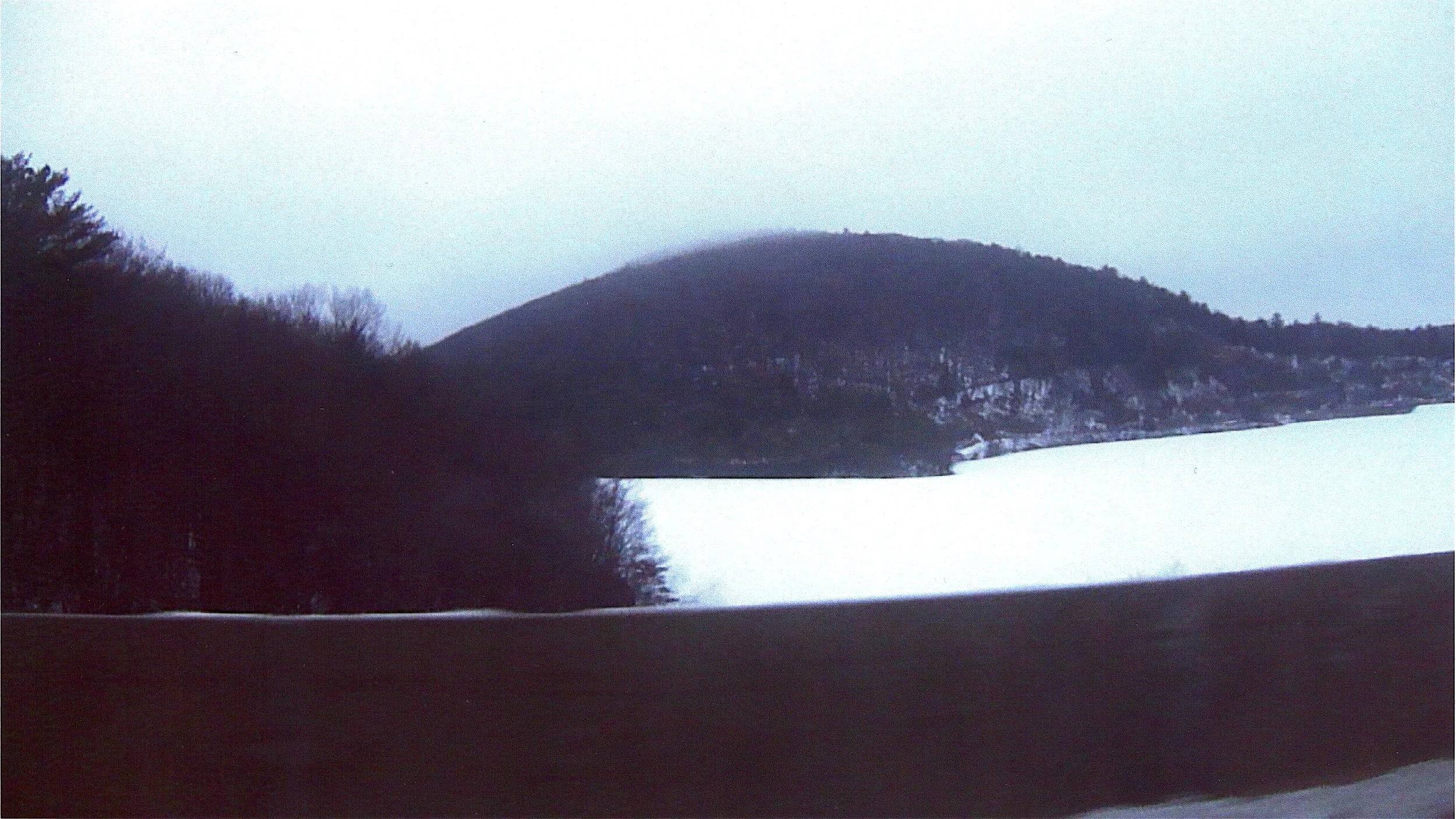
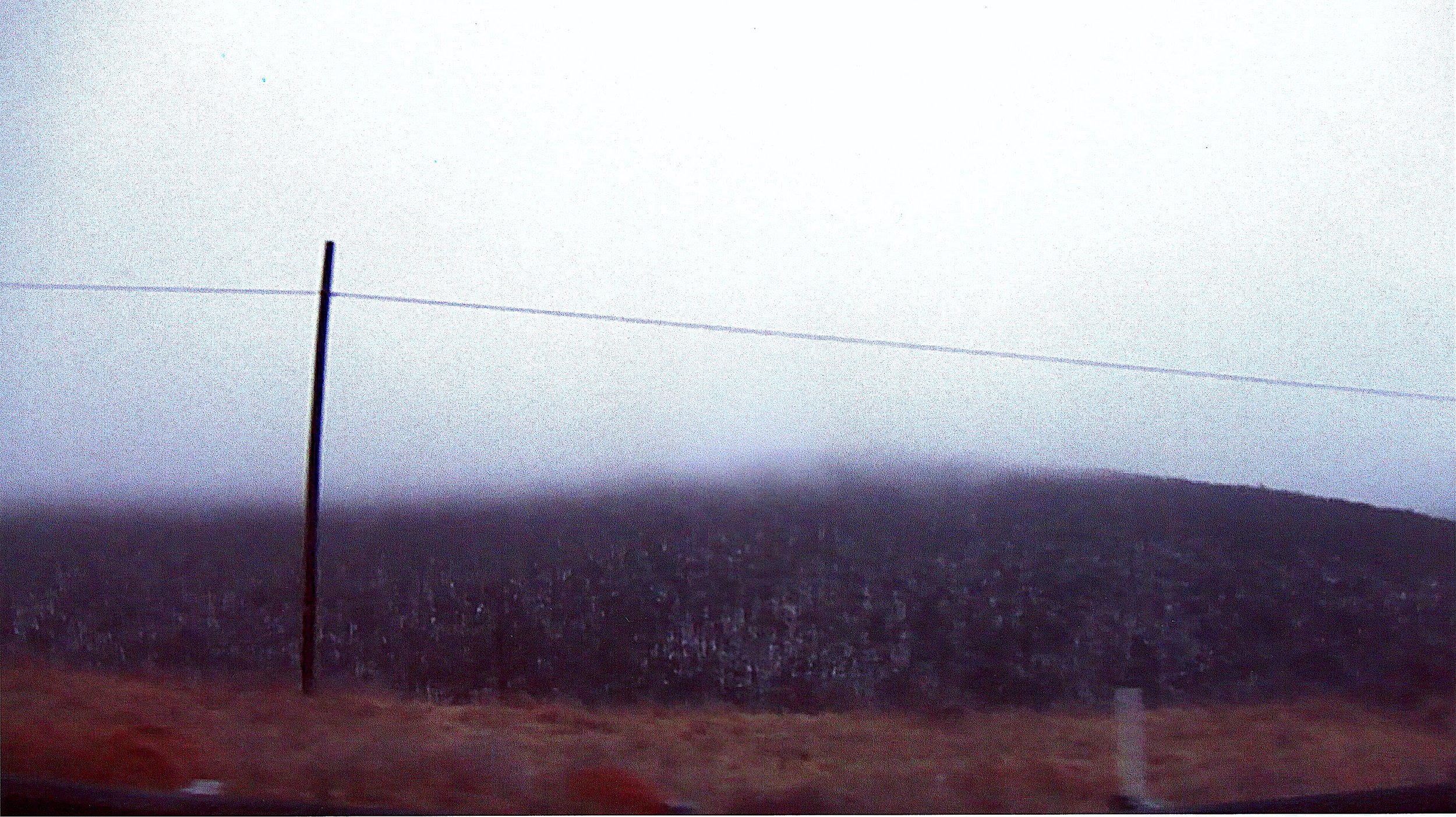
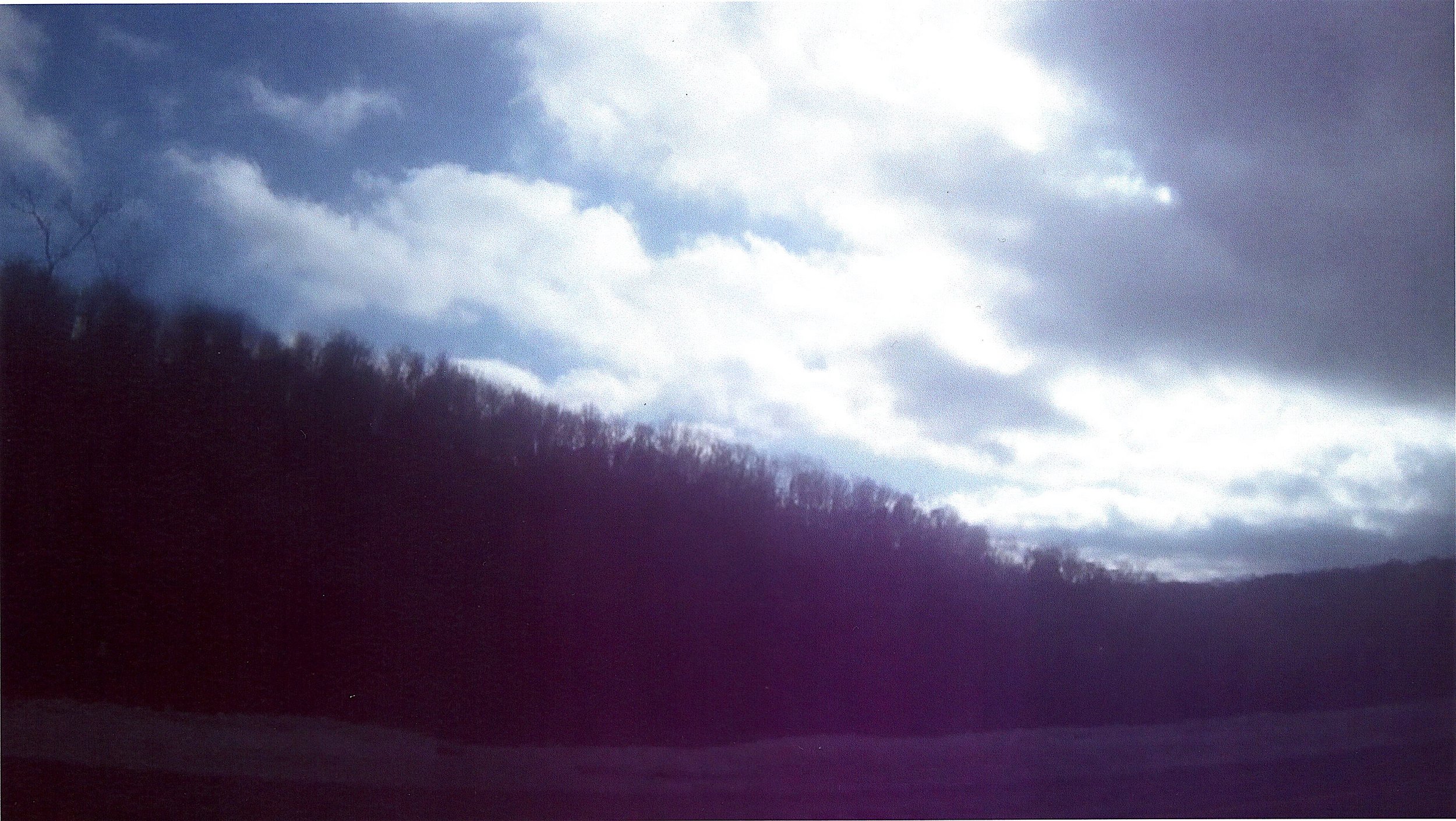
fragments of documentation
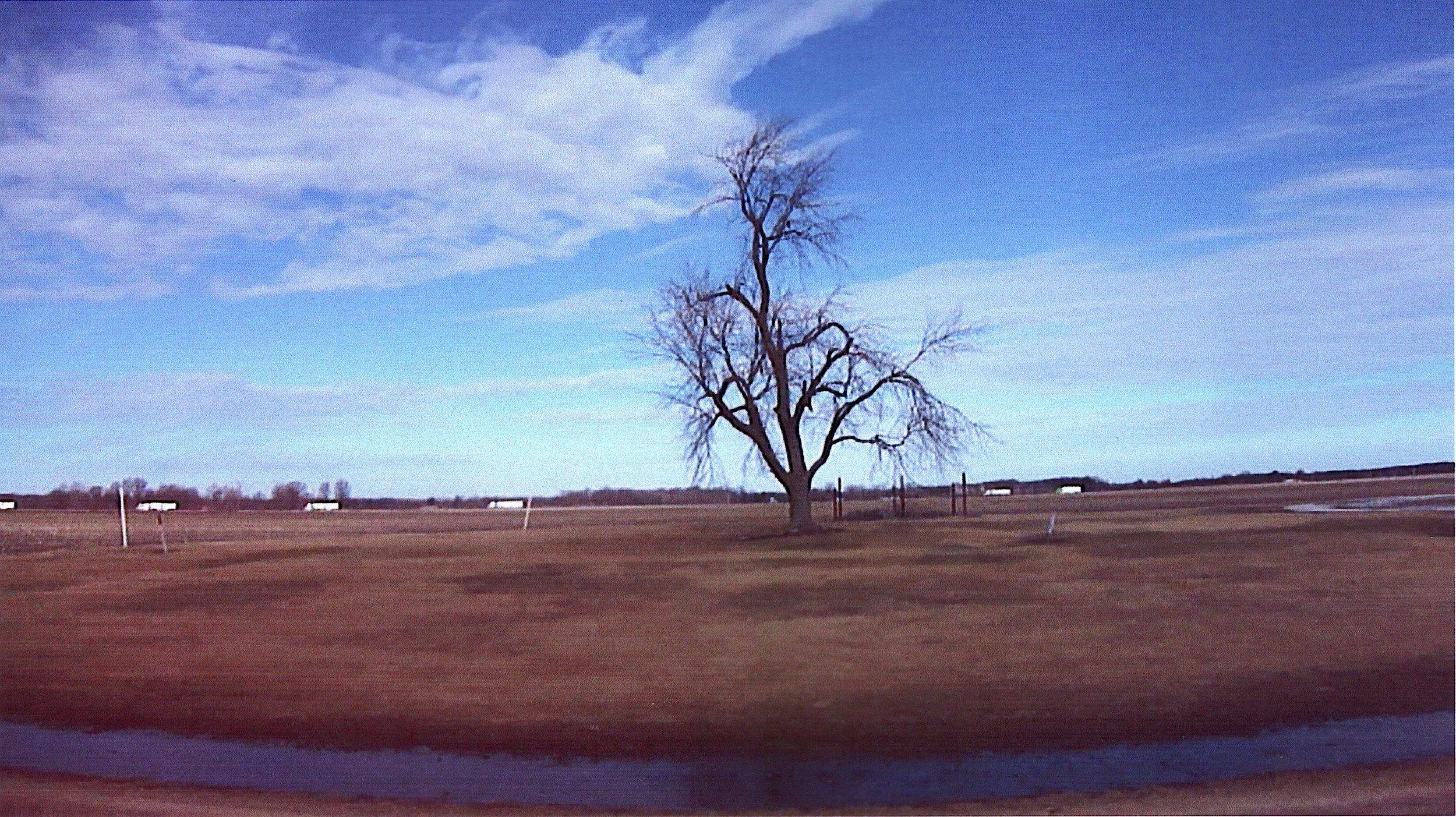
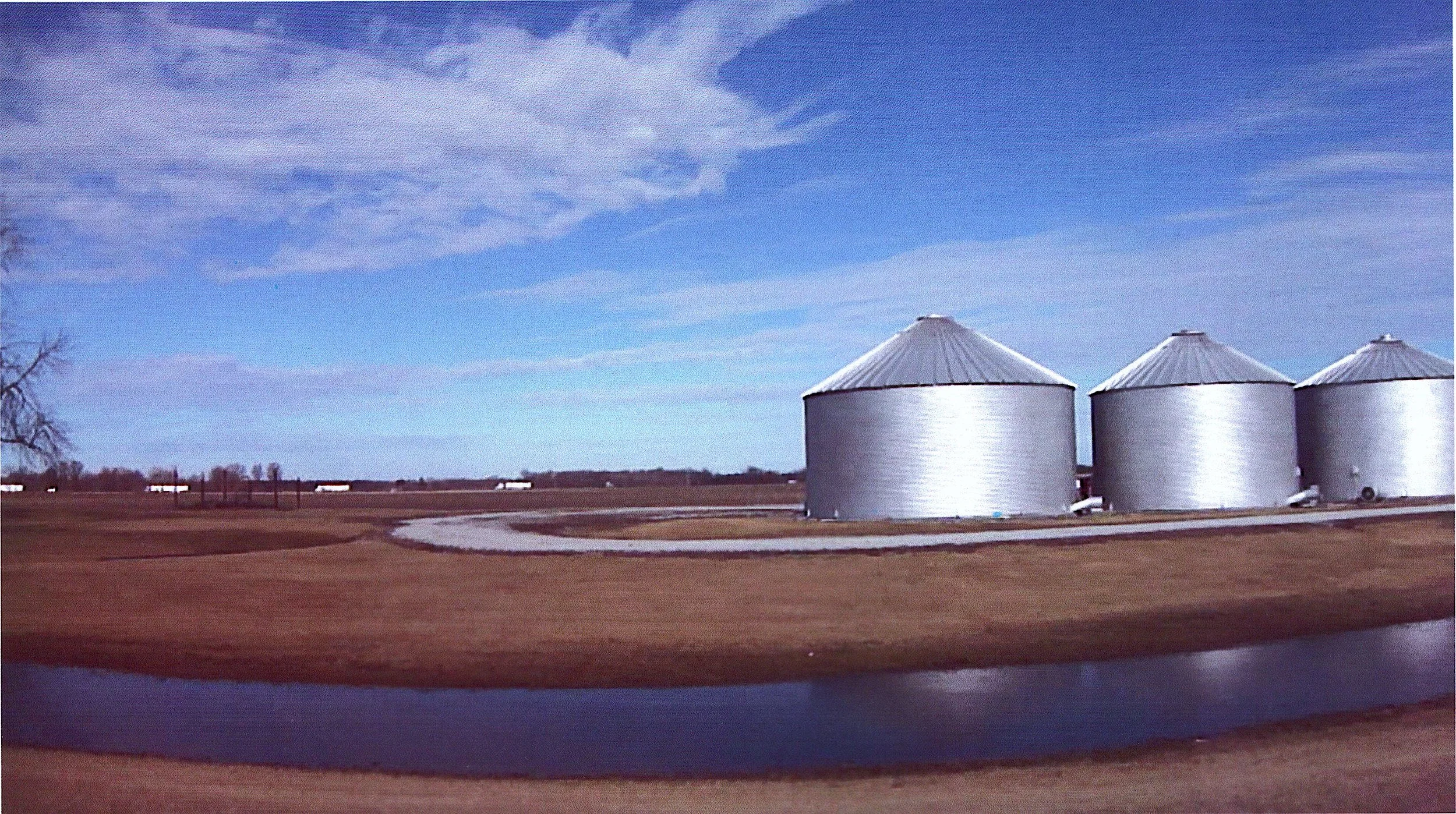
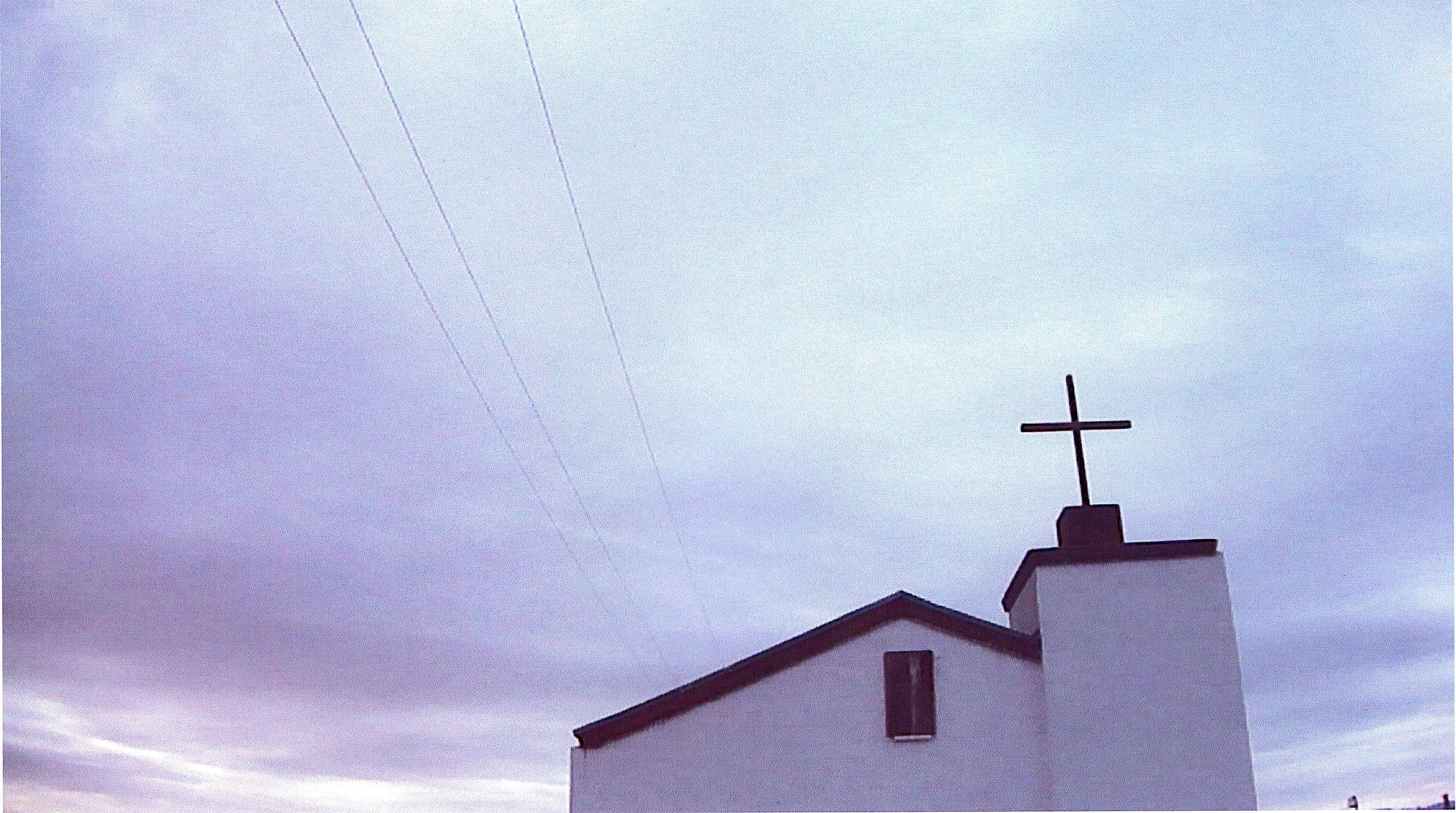
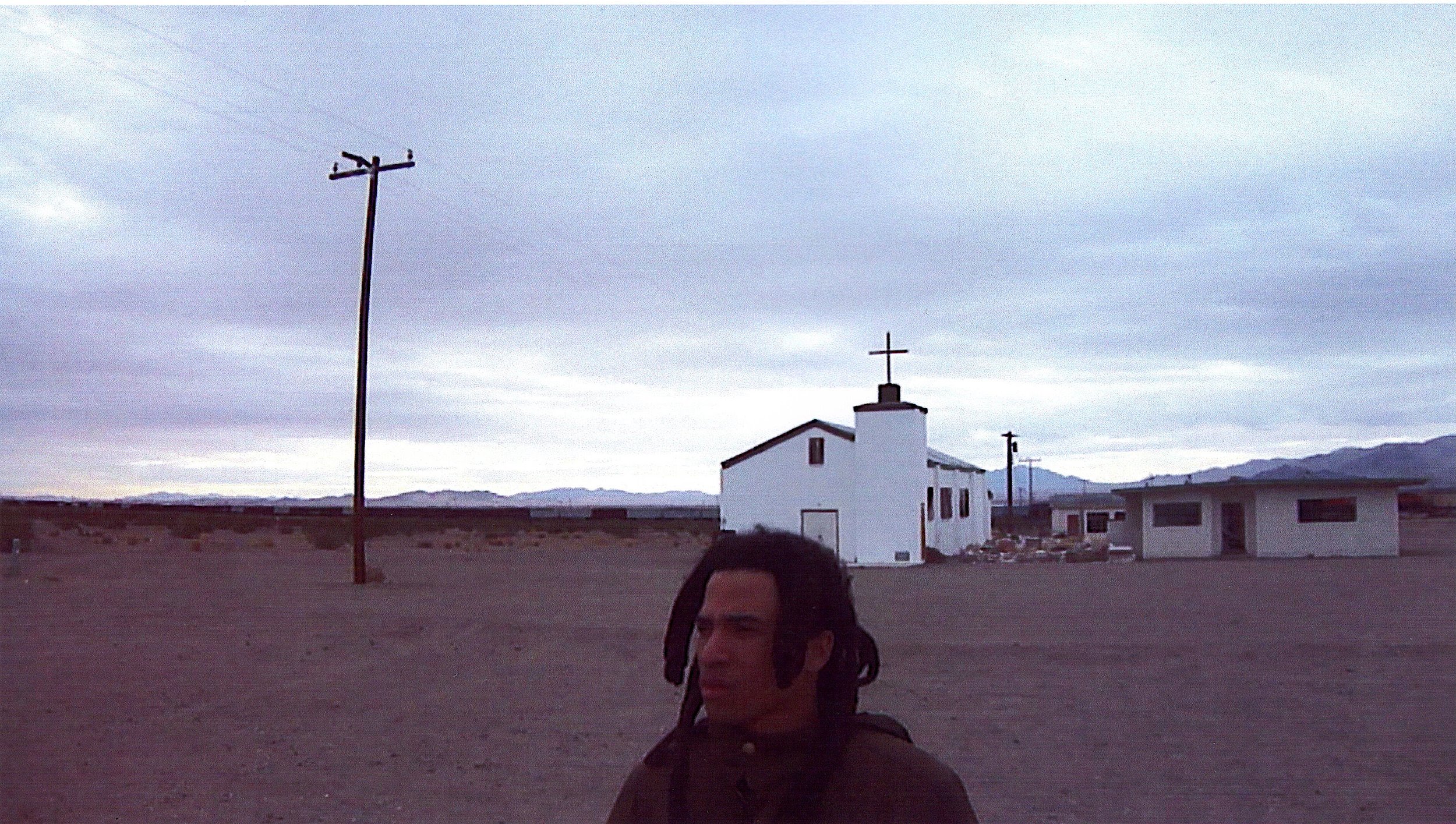
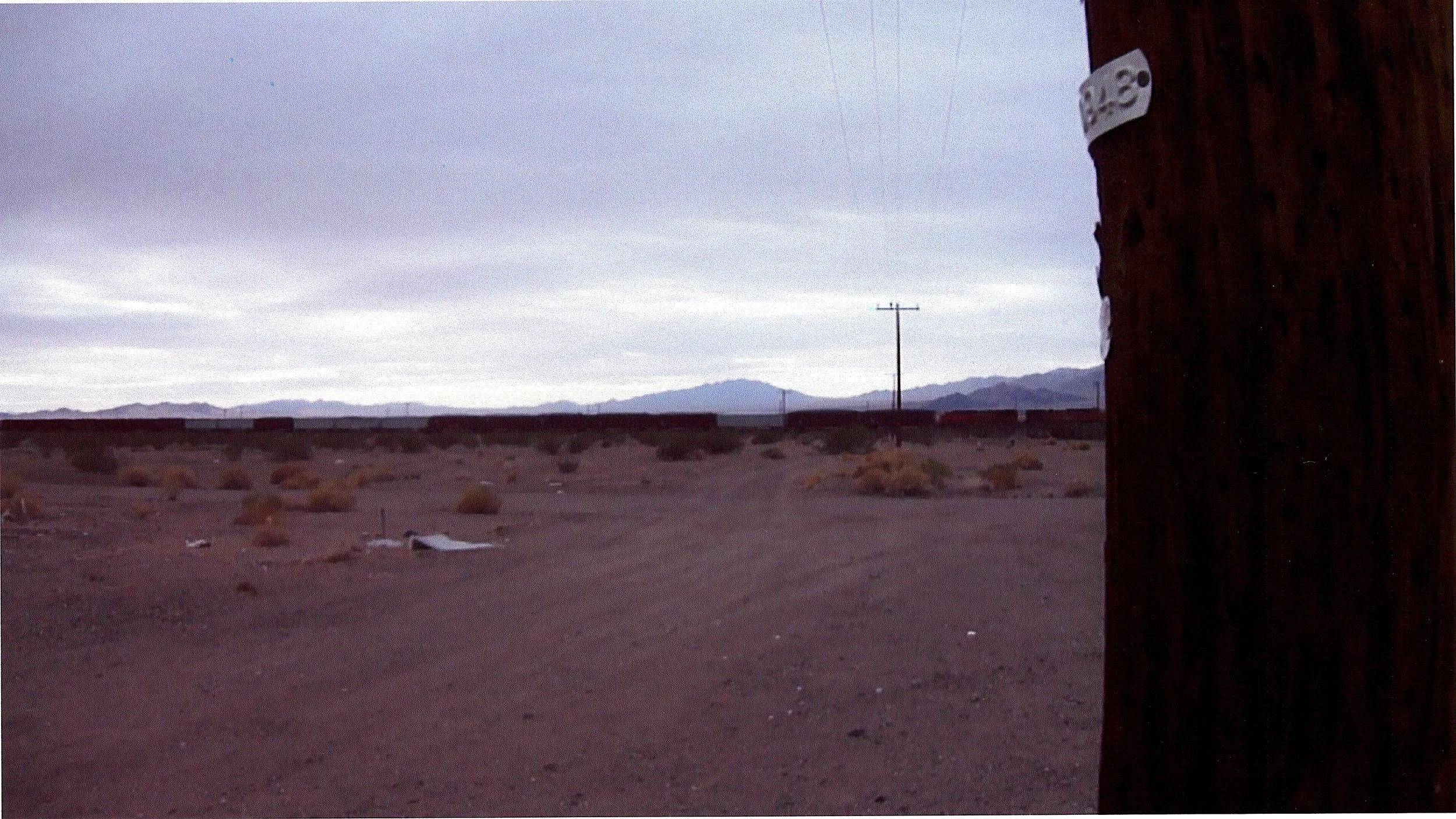
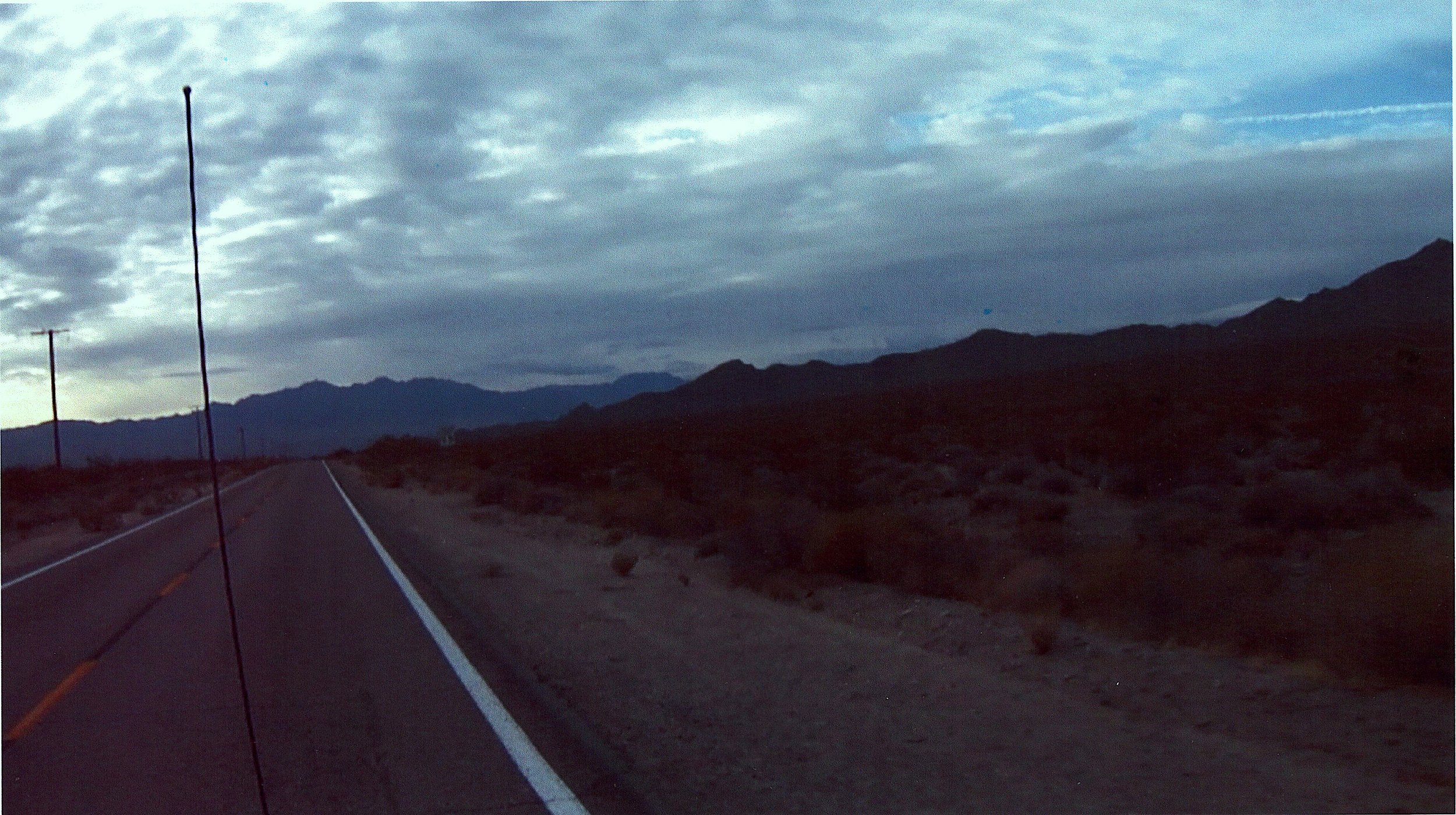
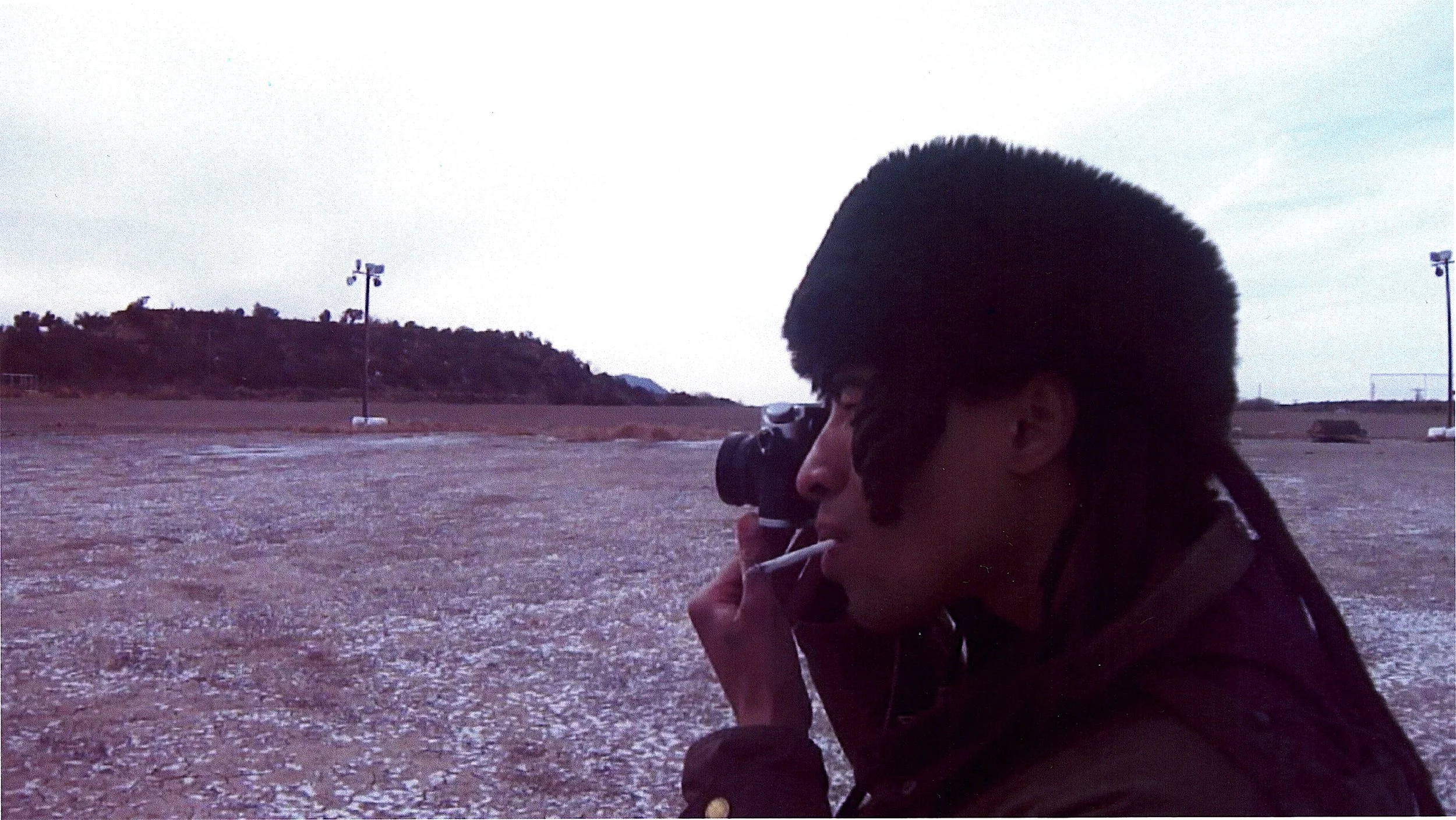
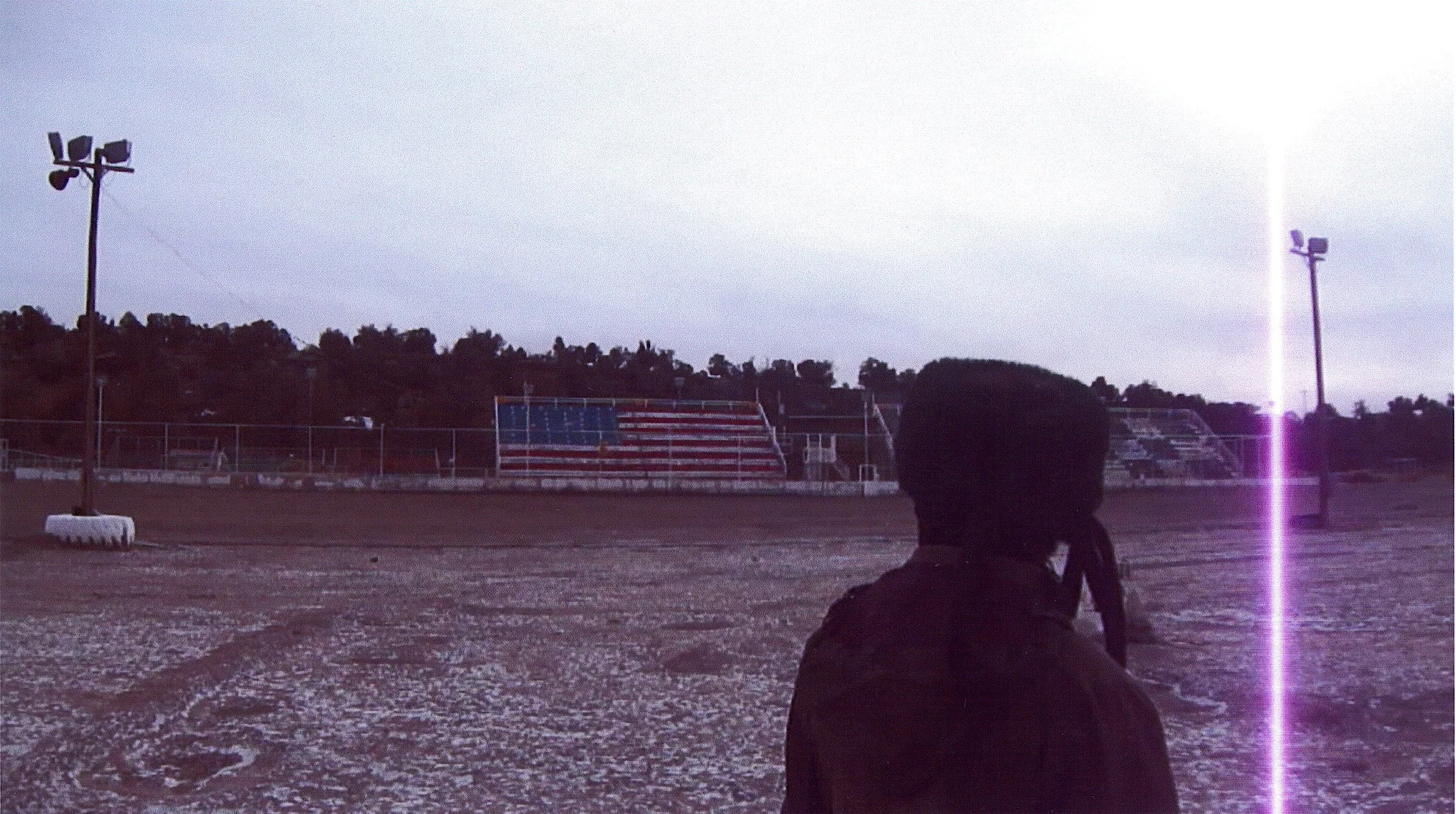
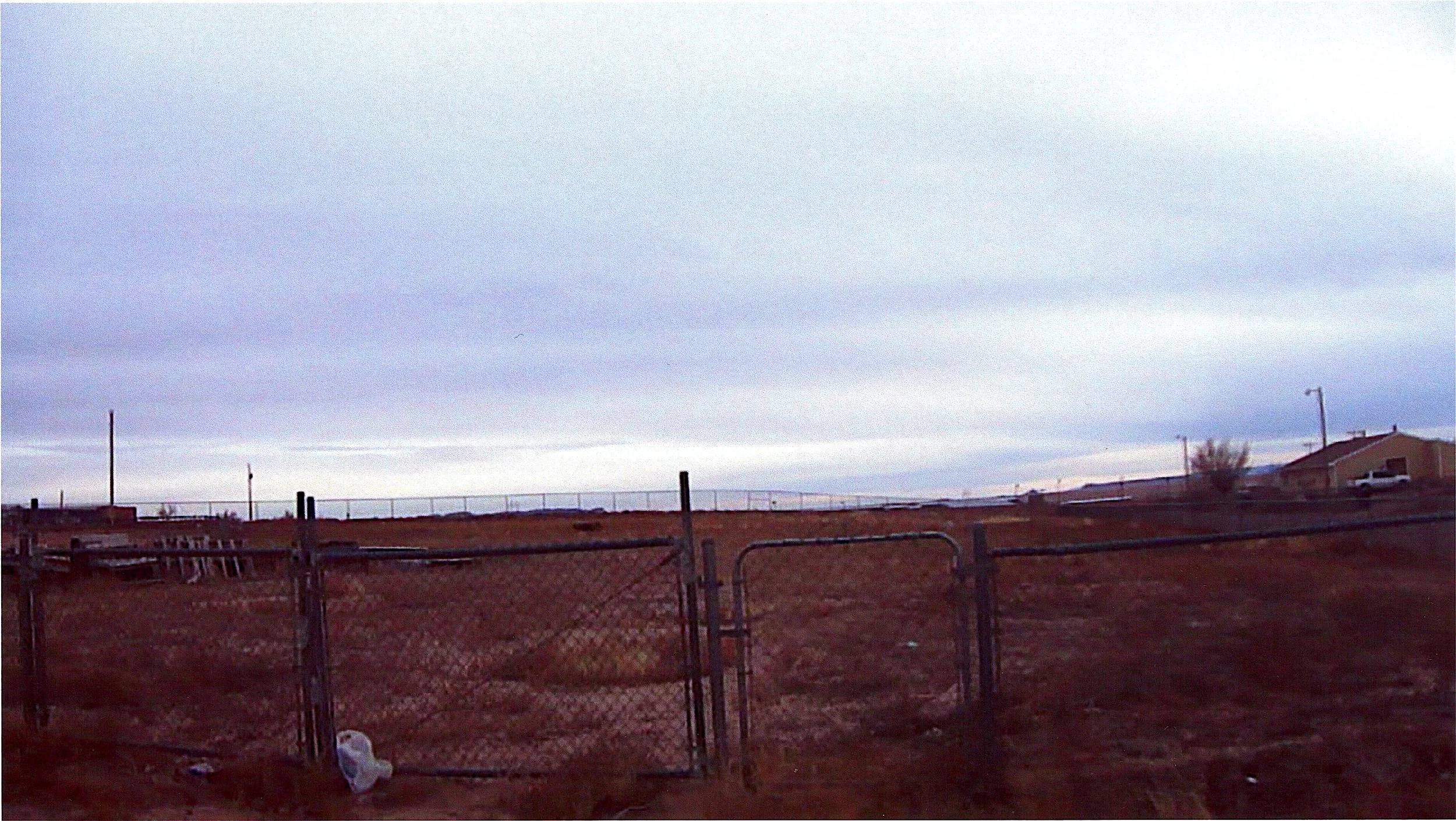
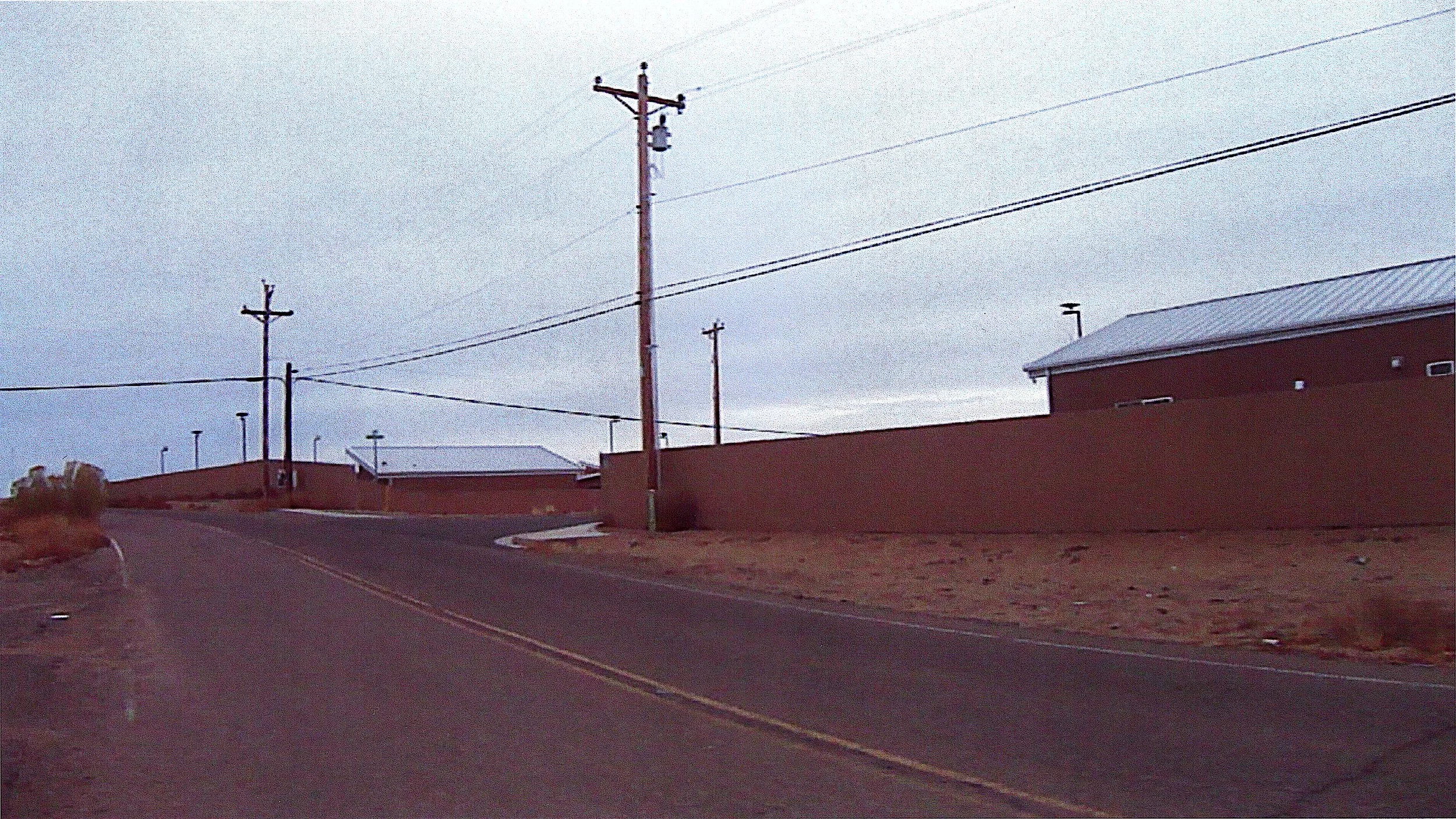
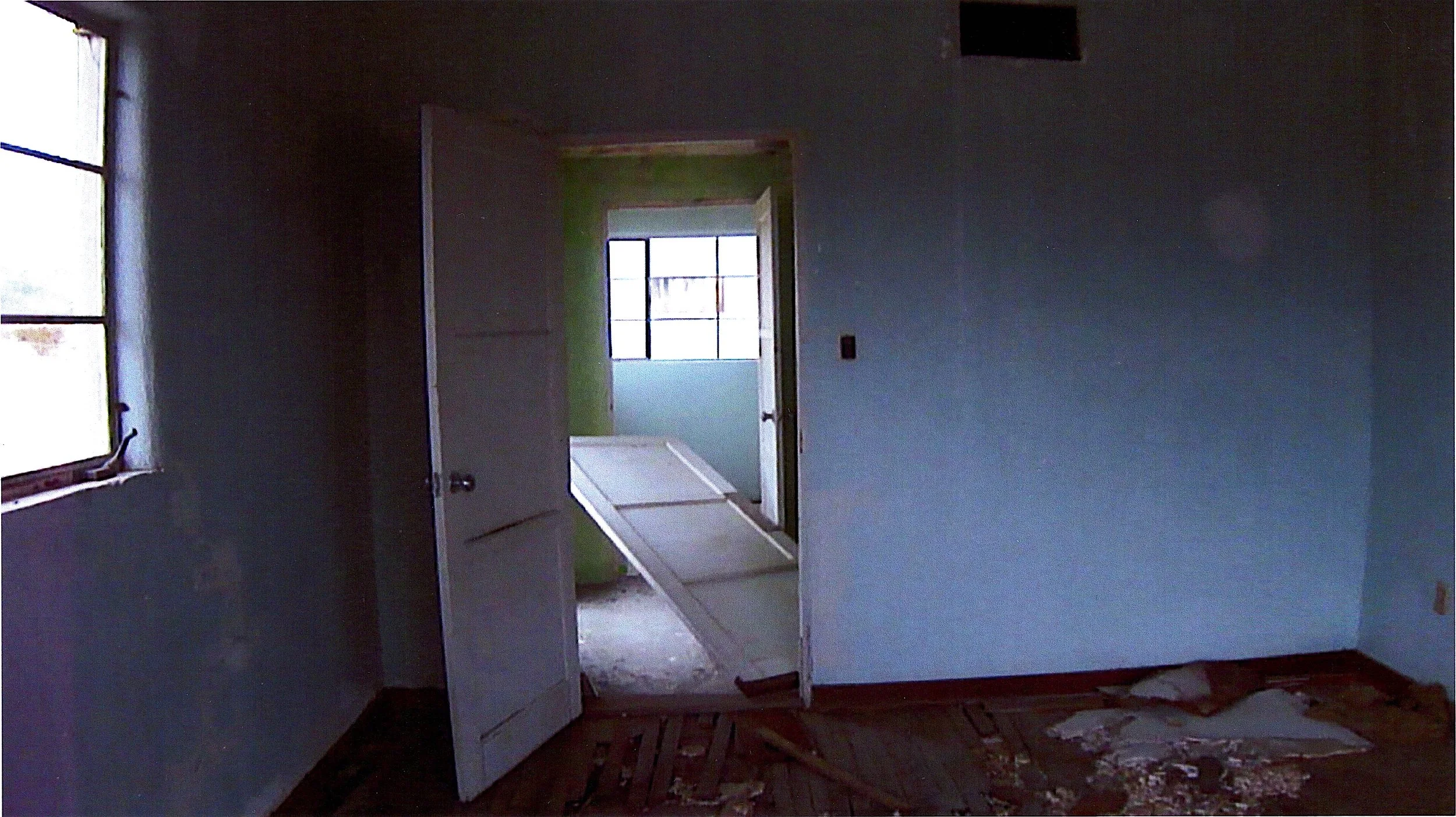
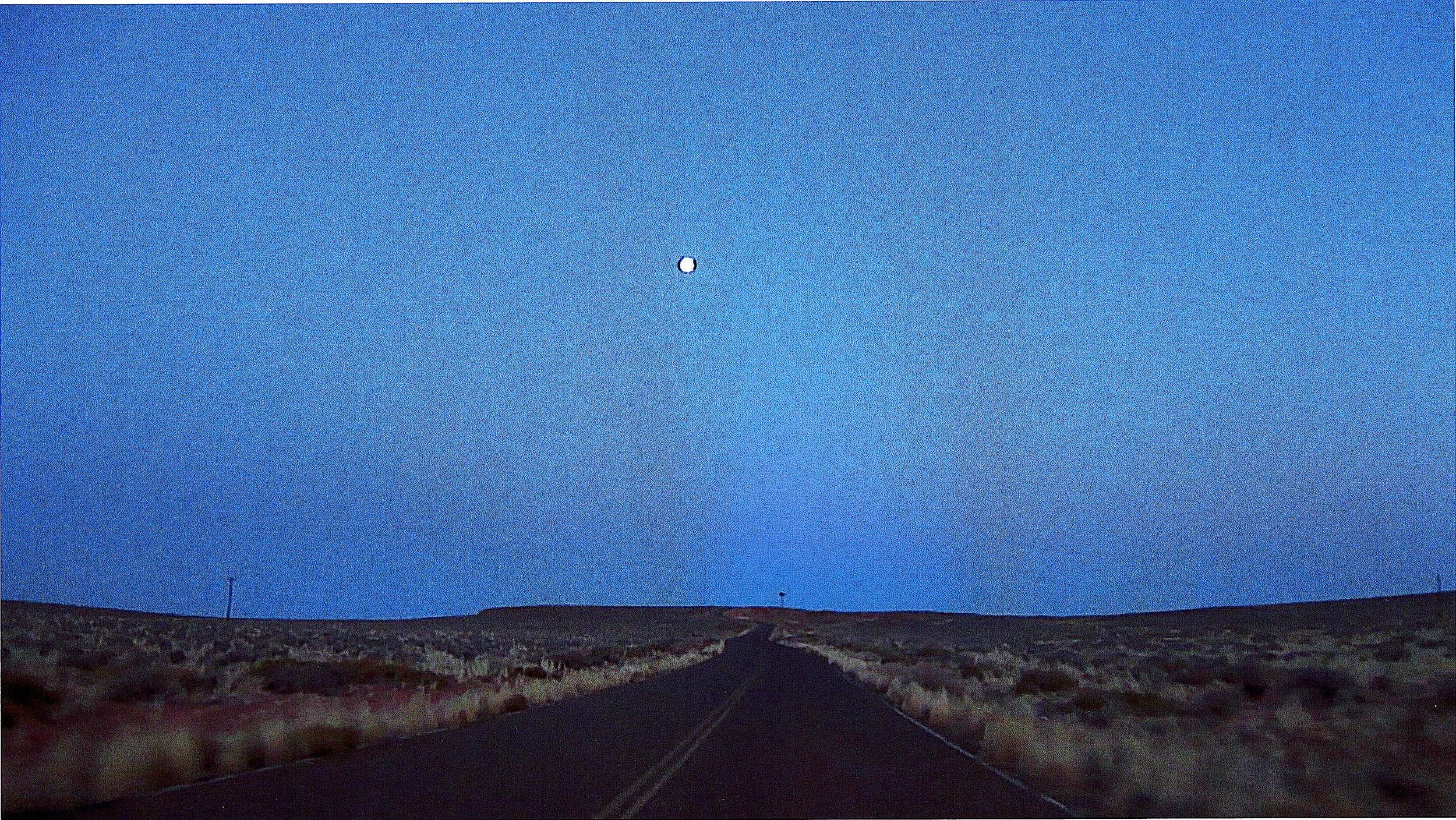
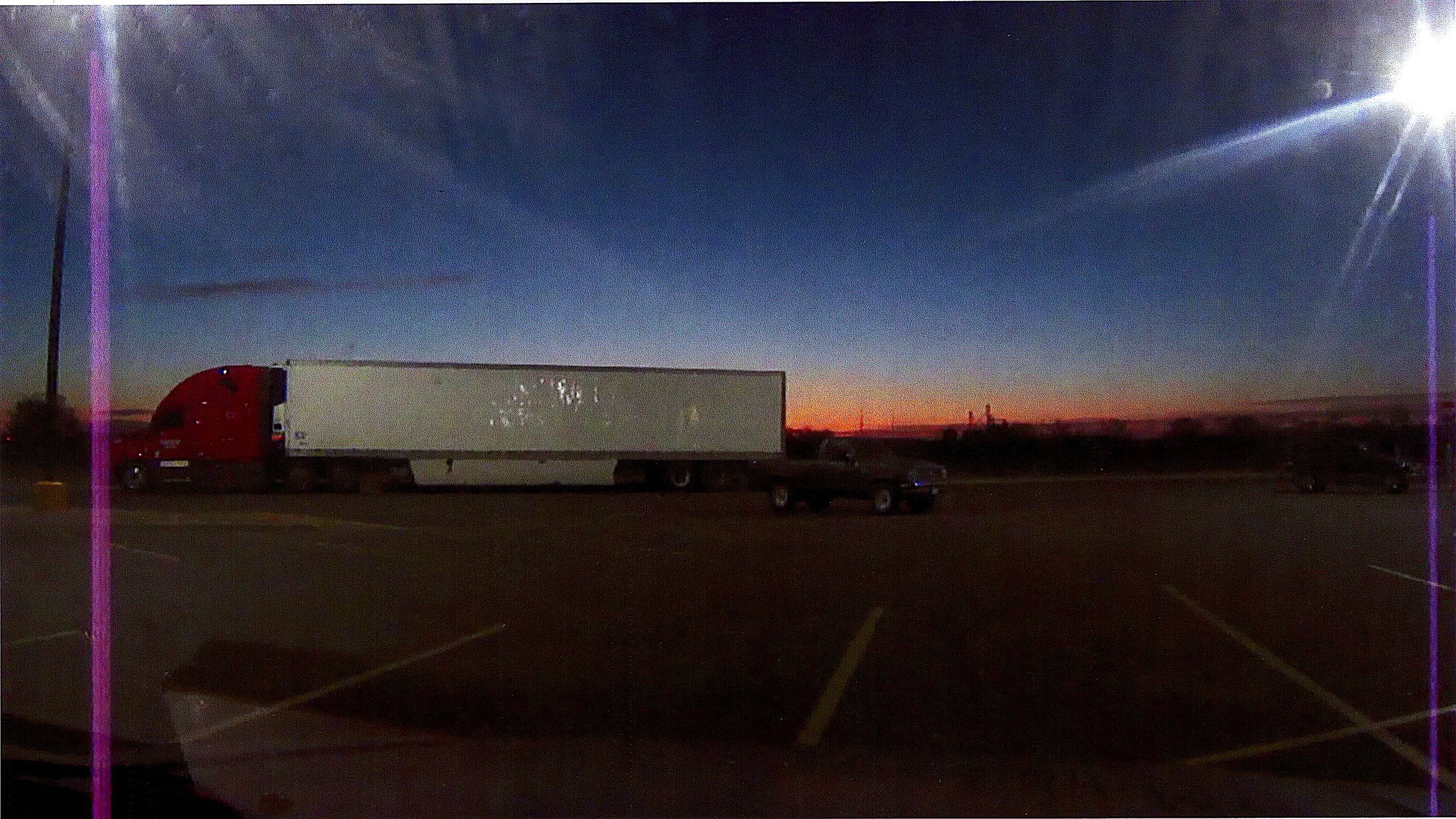
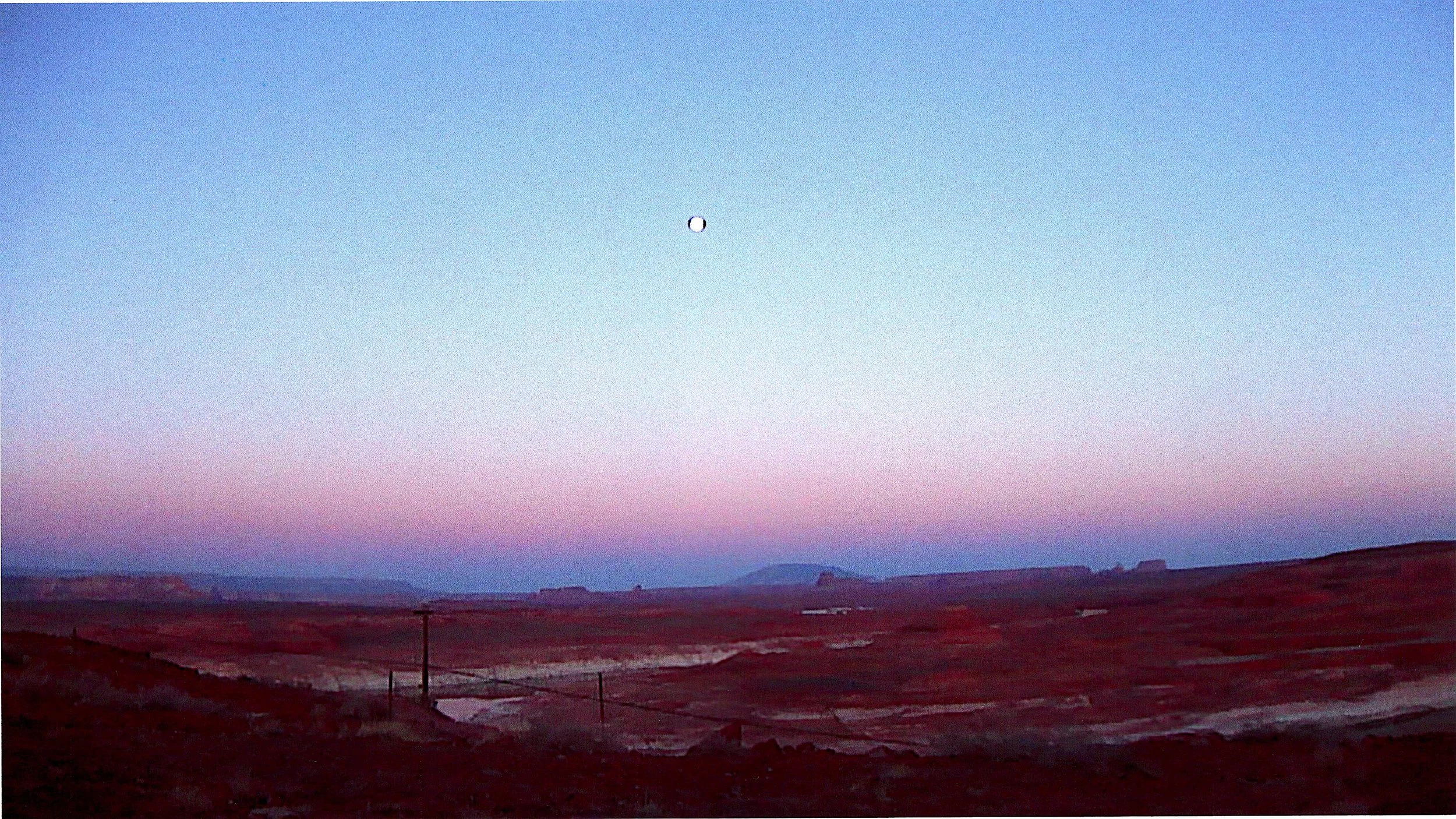
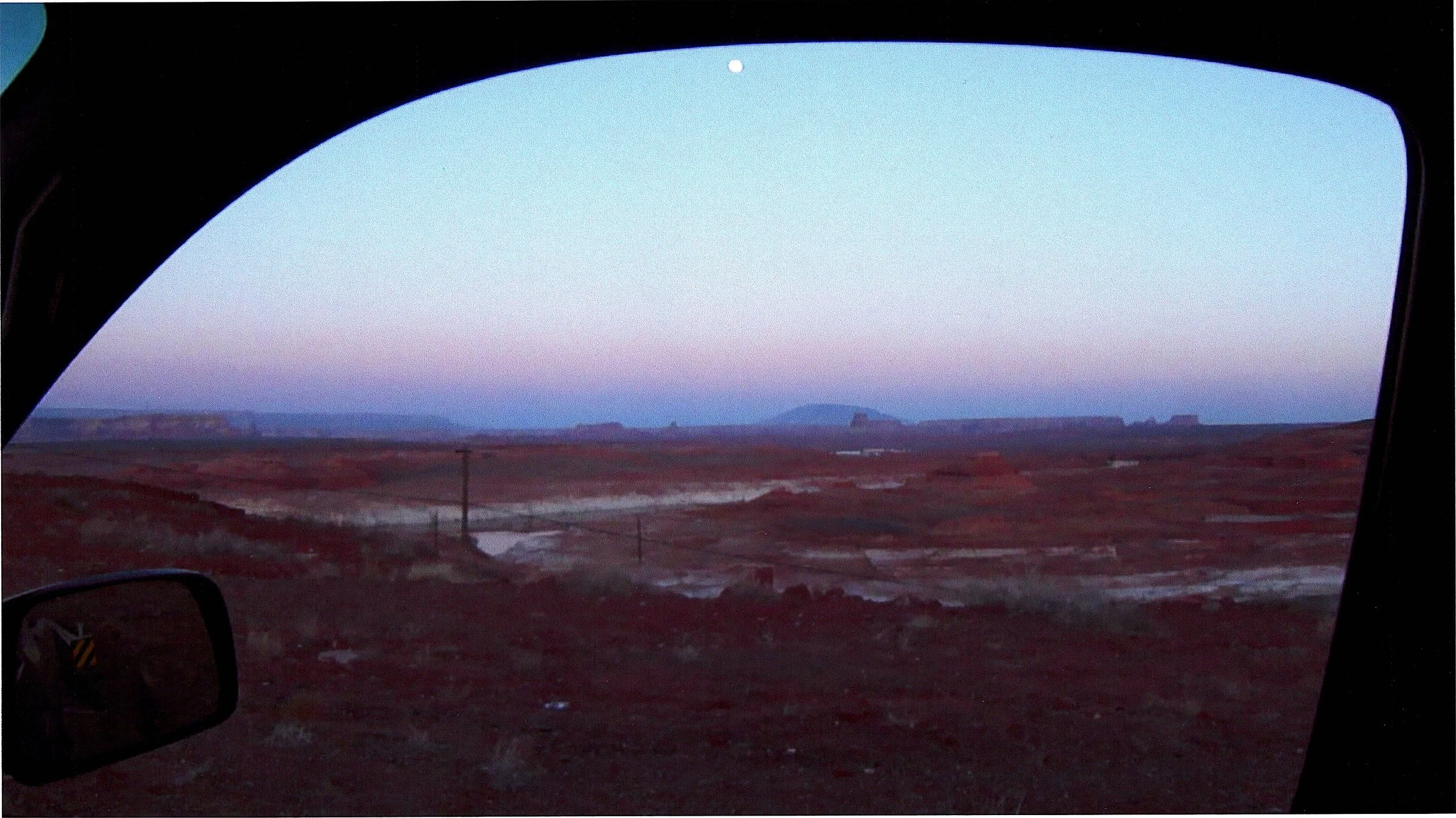
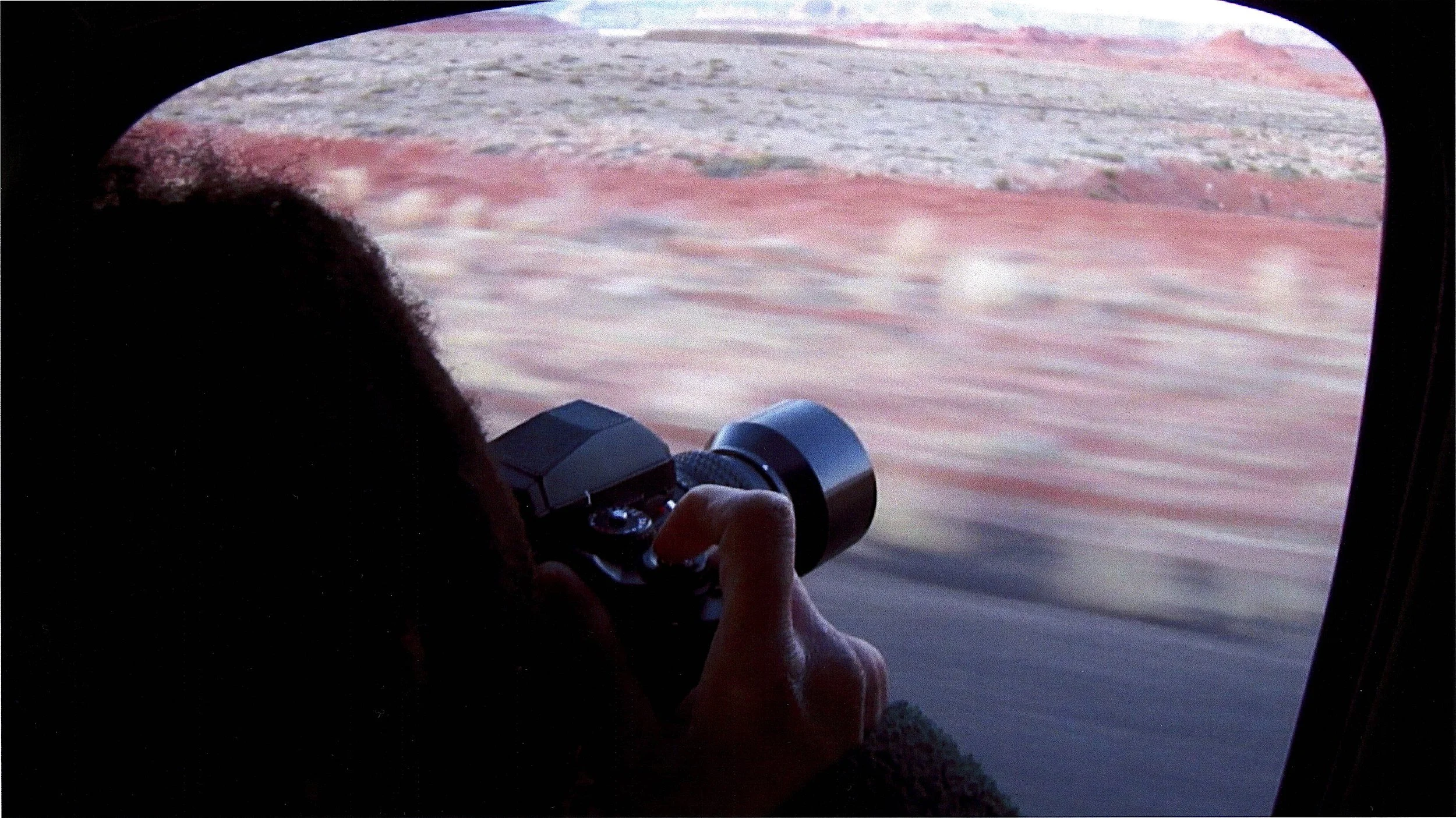
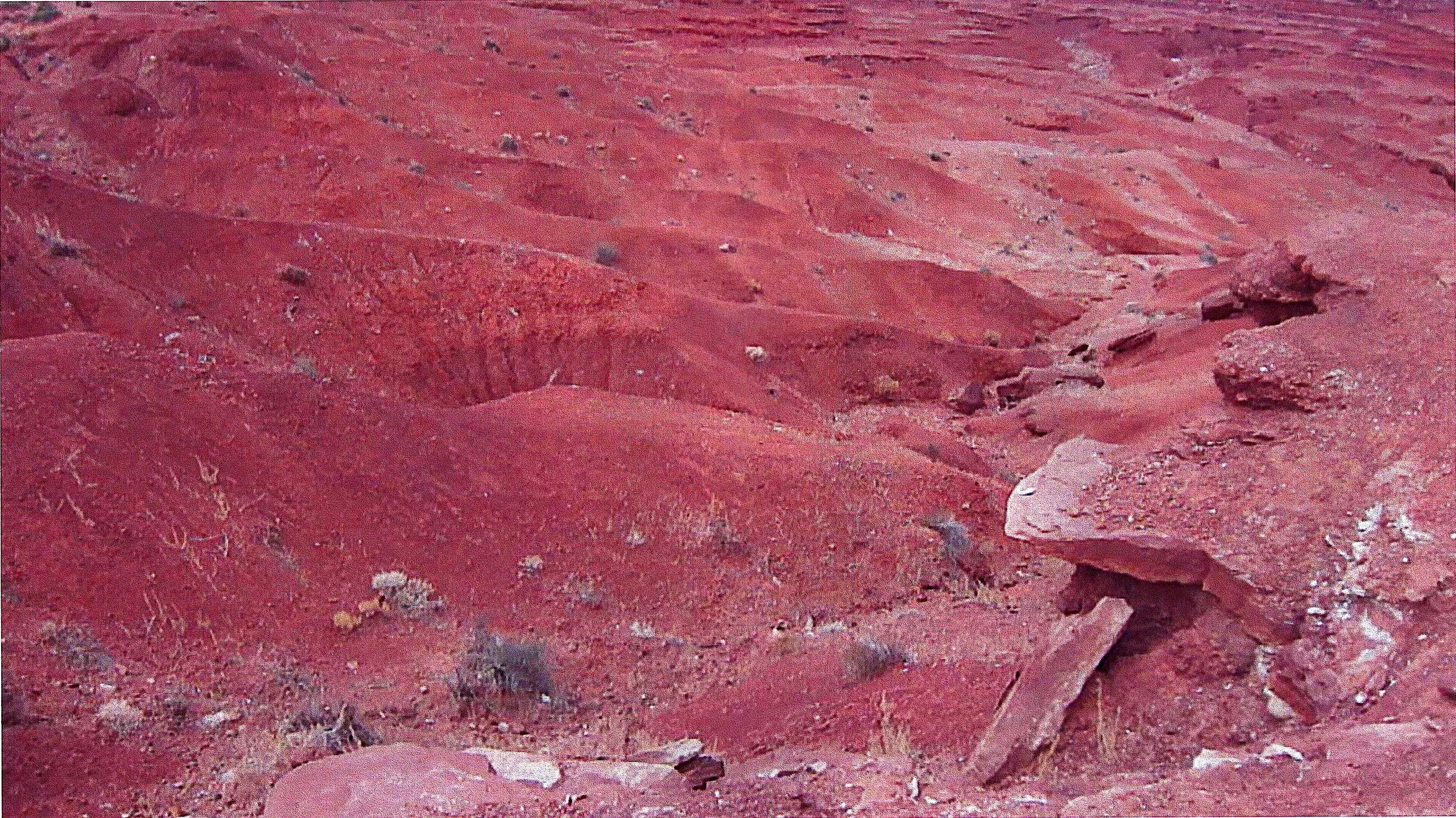
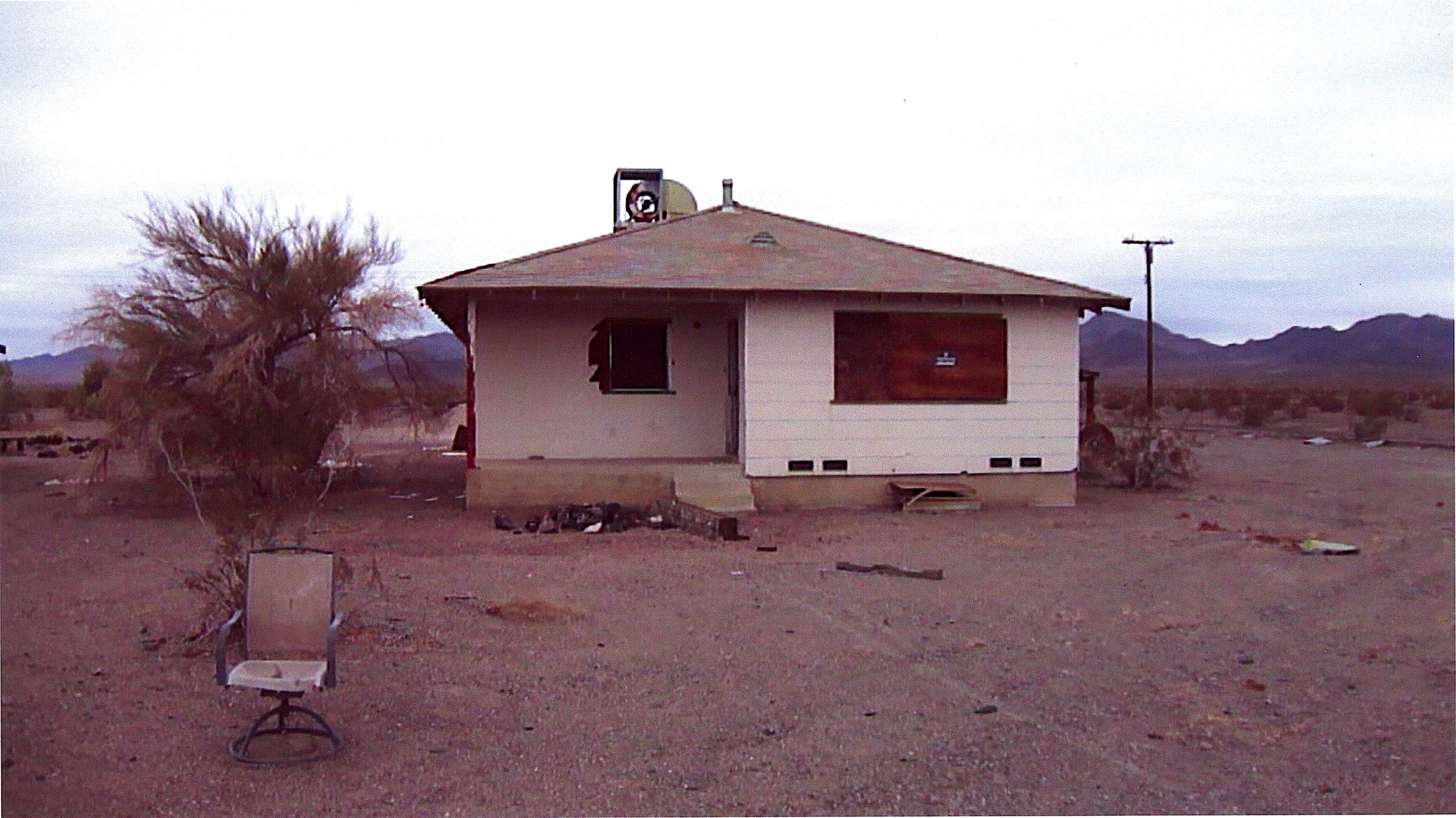
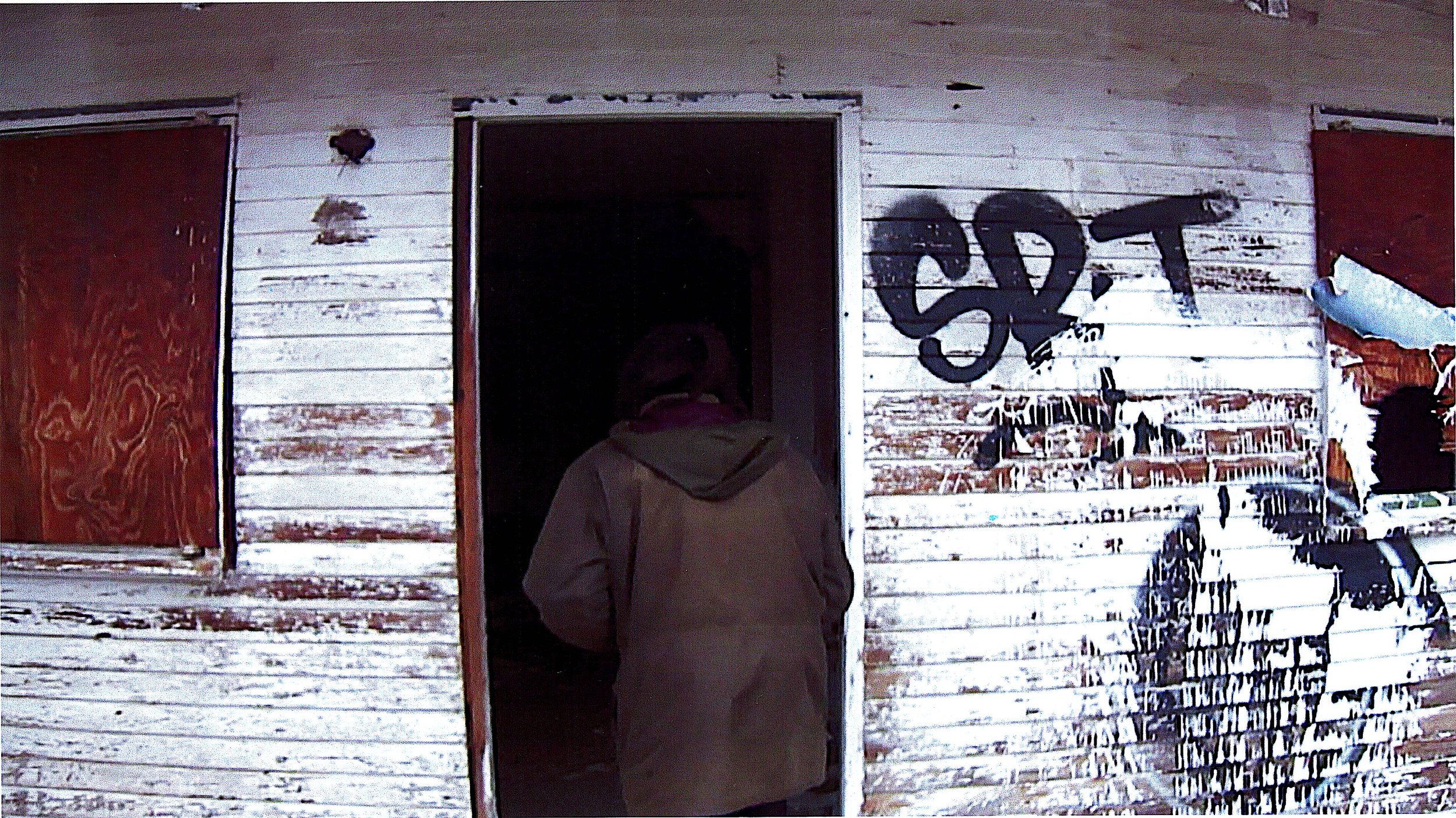
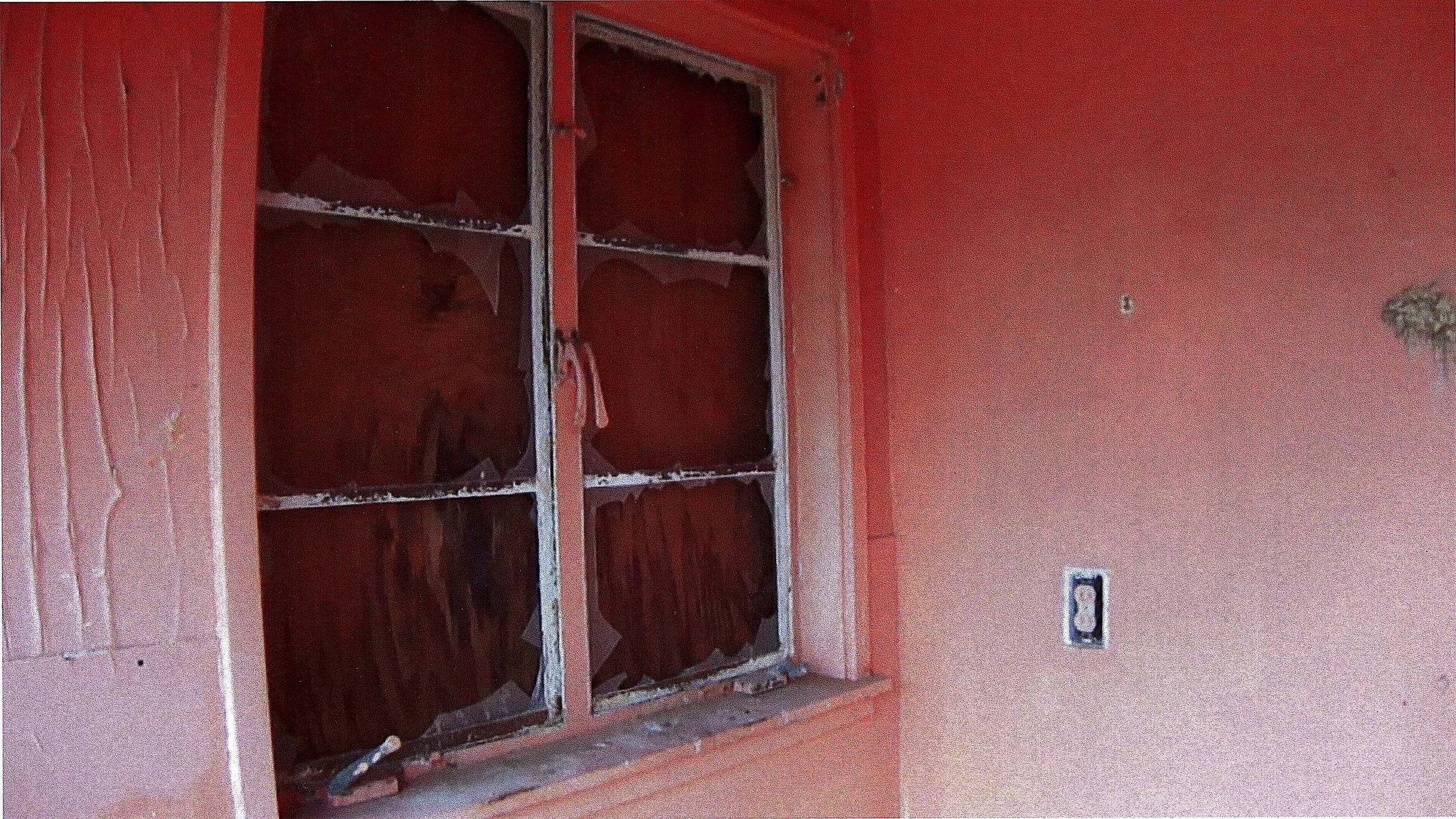
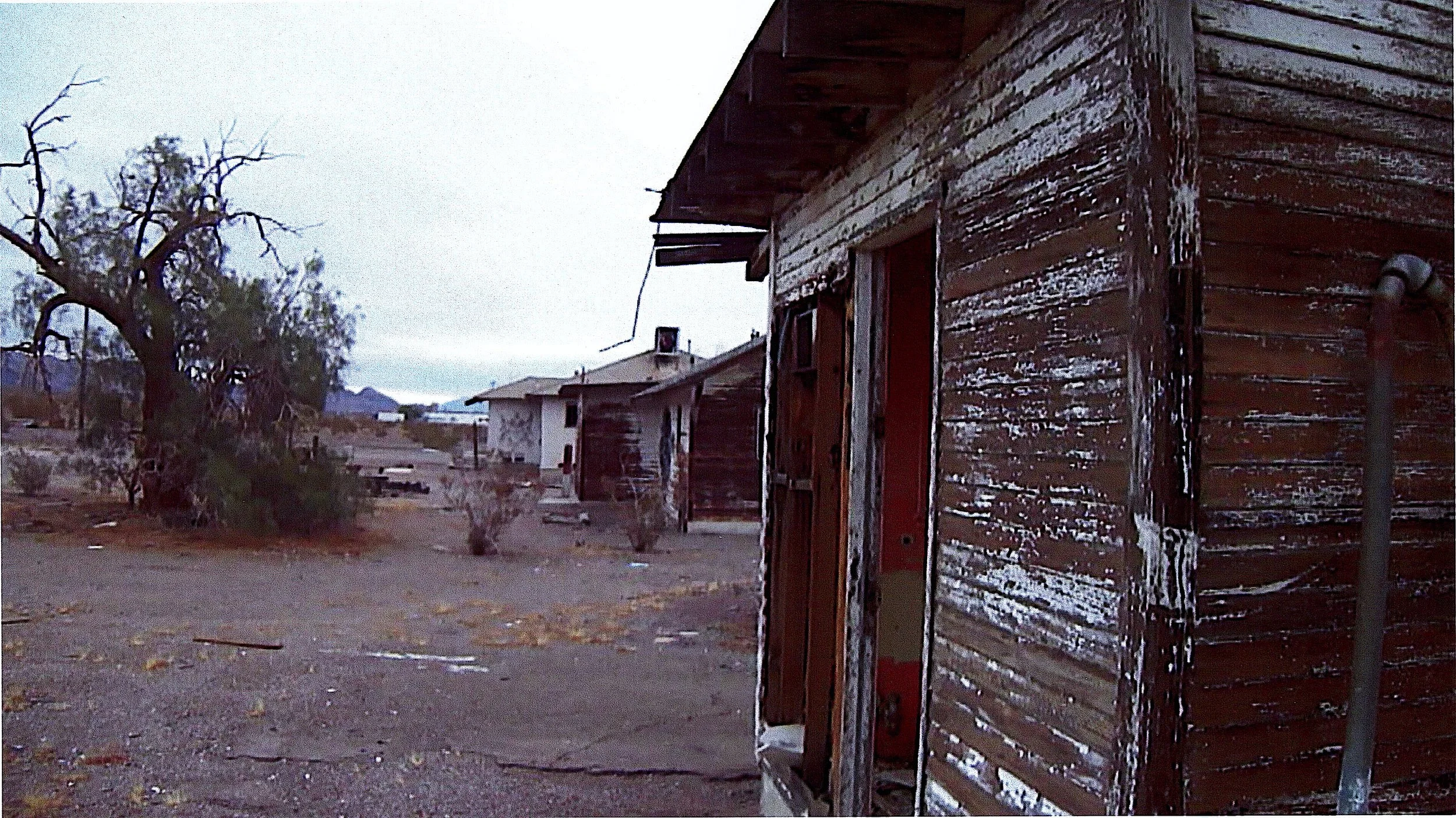
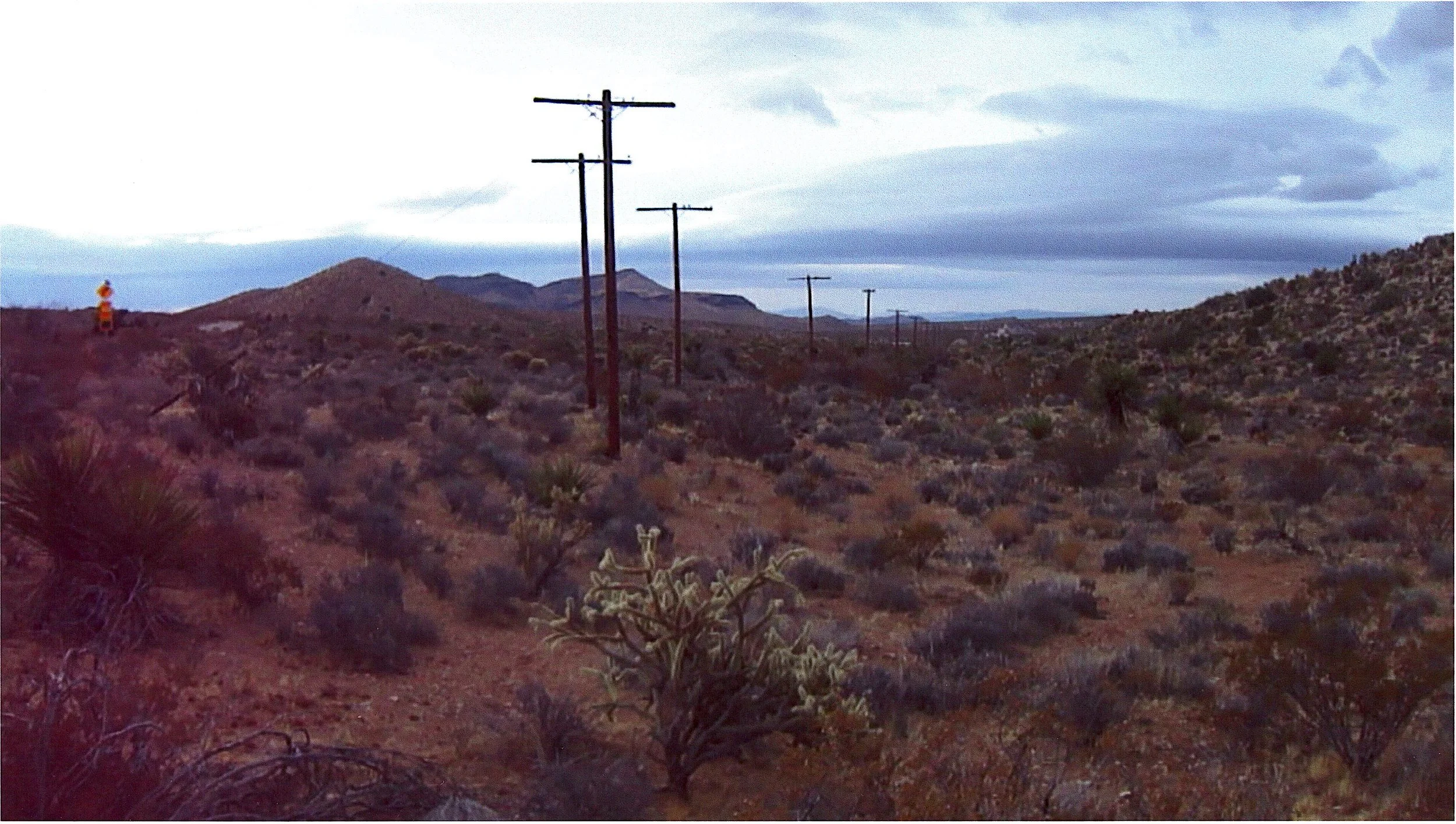
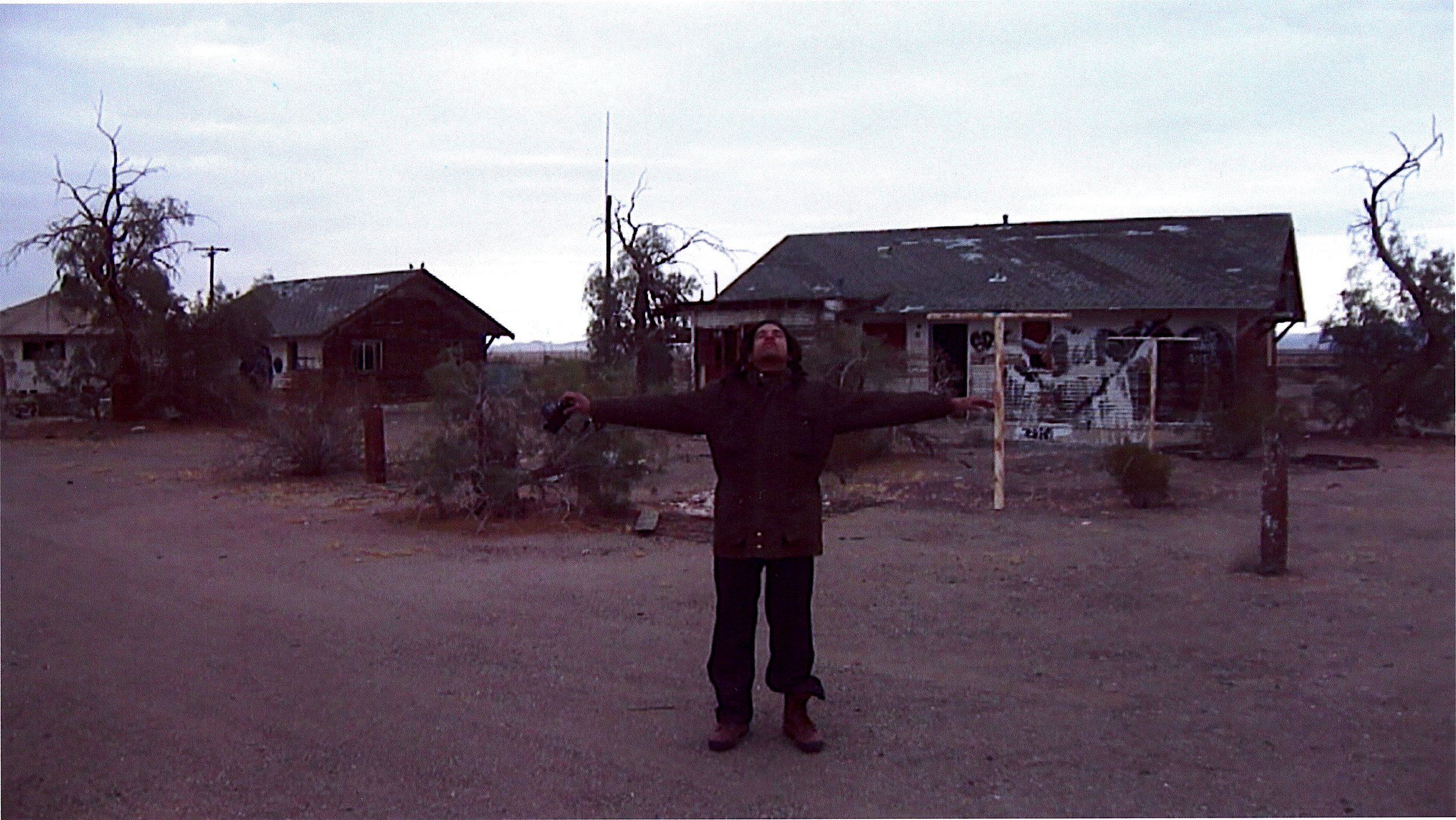
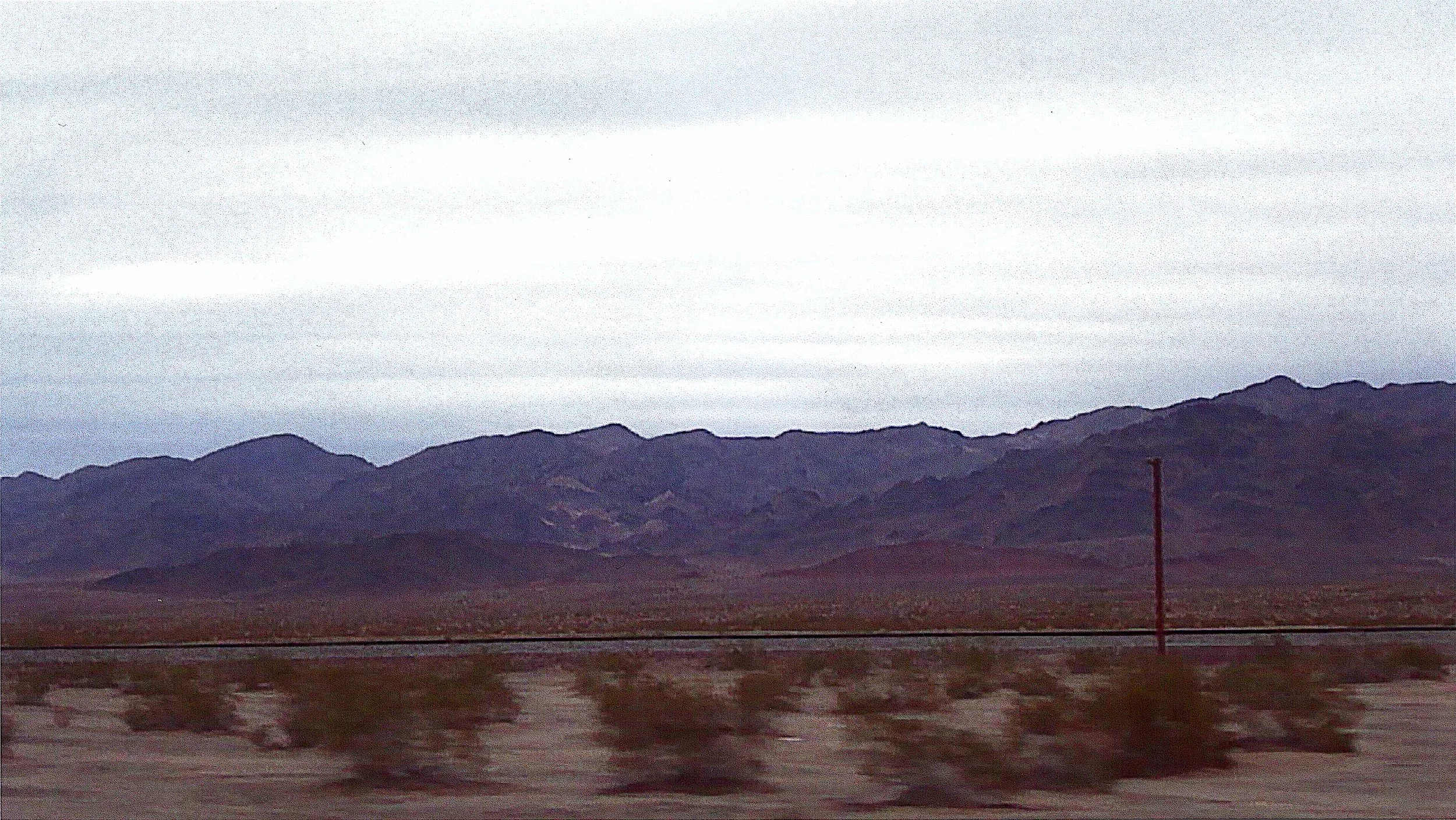
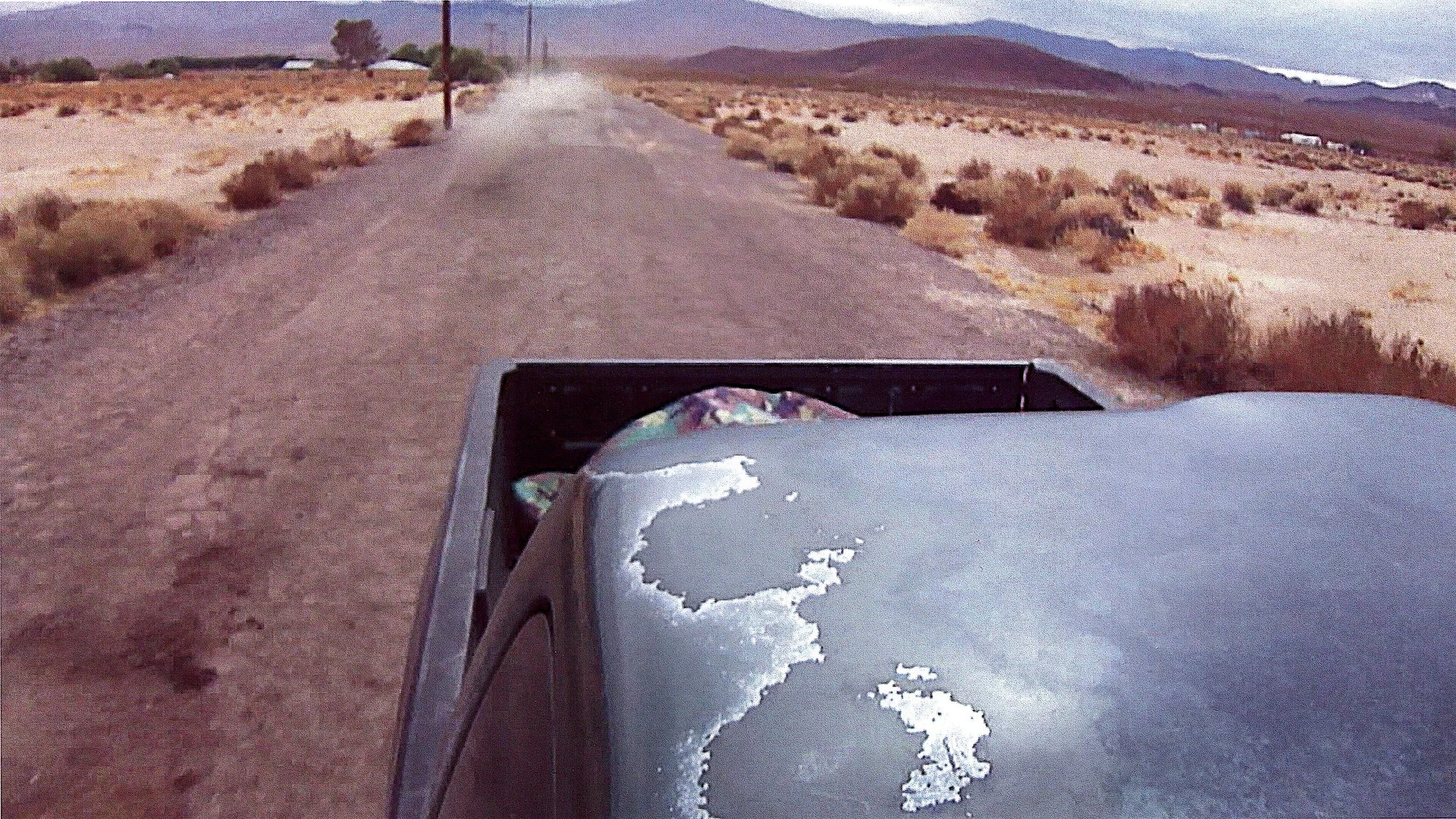
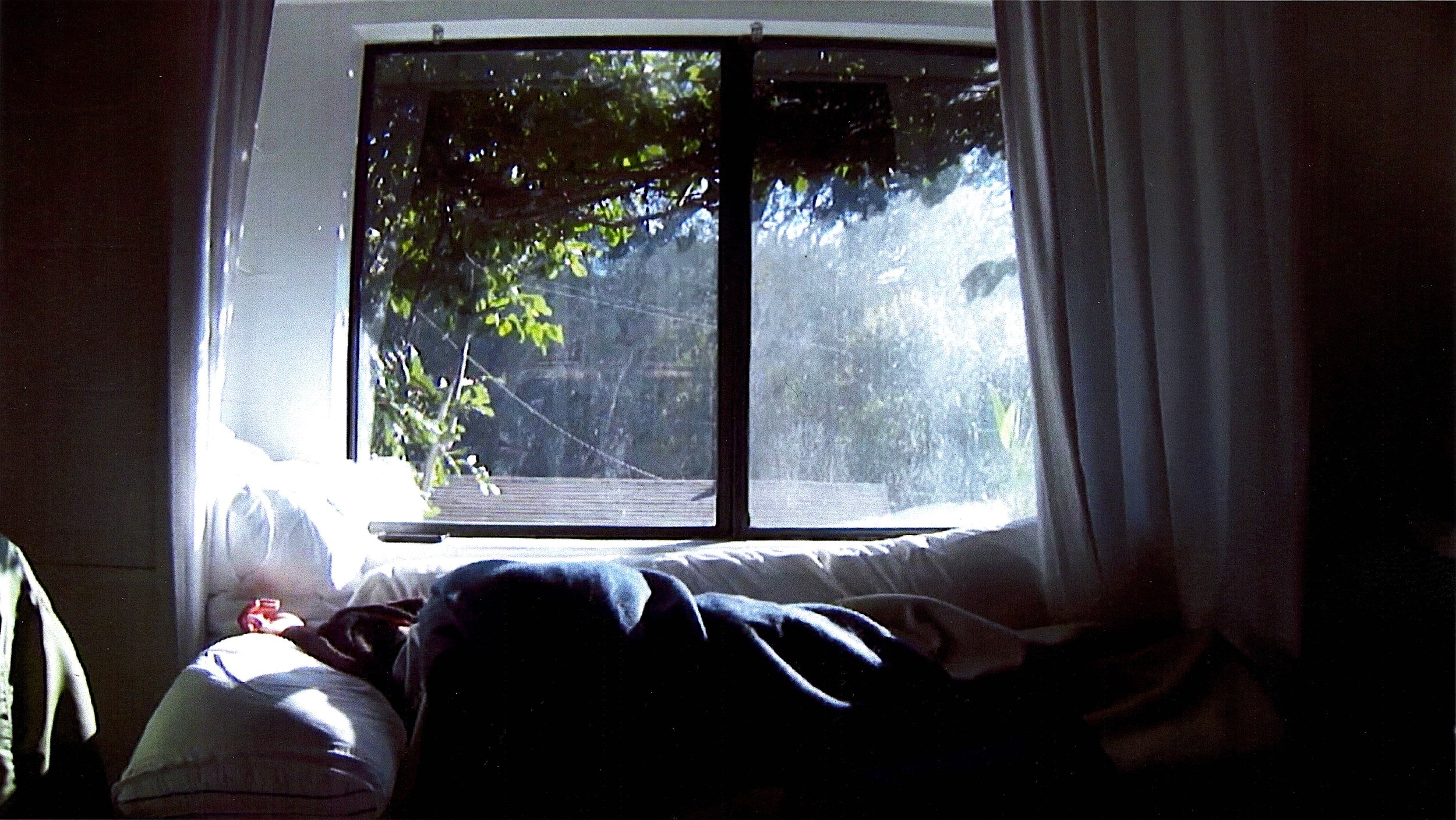
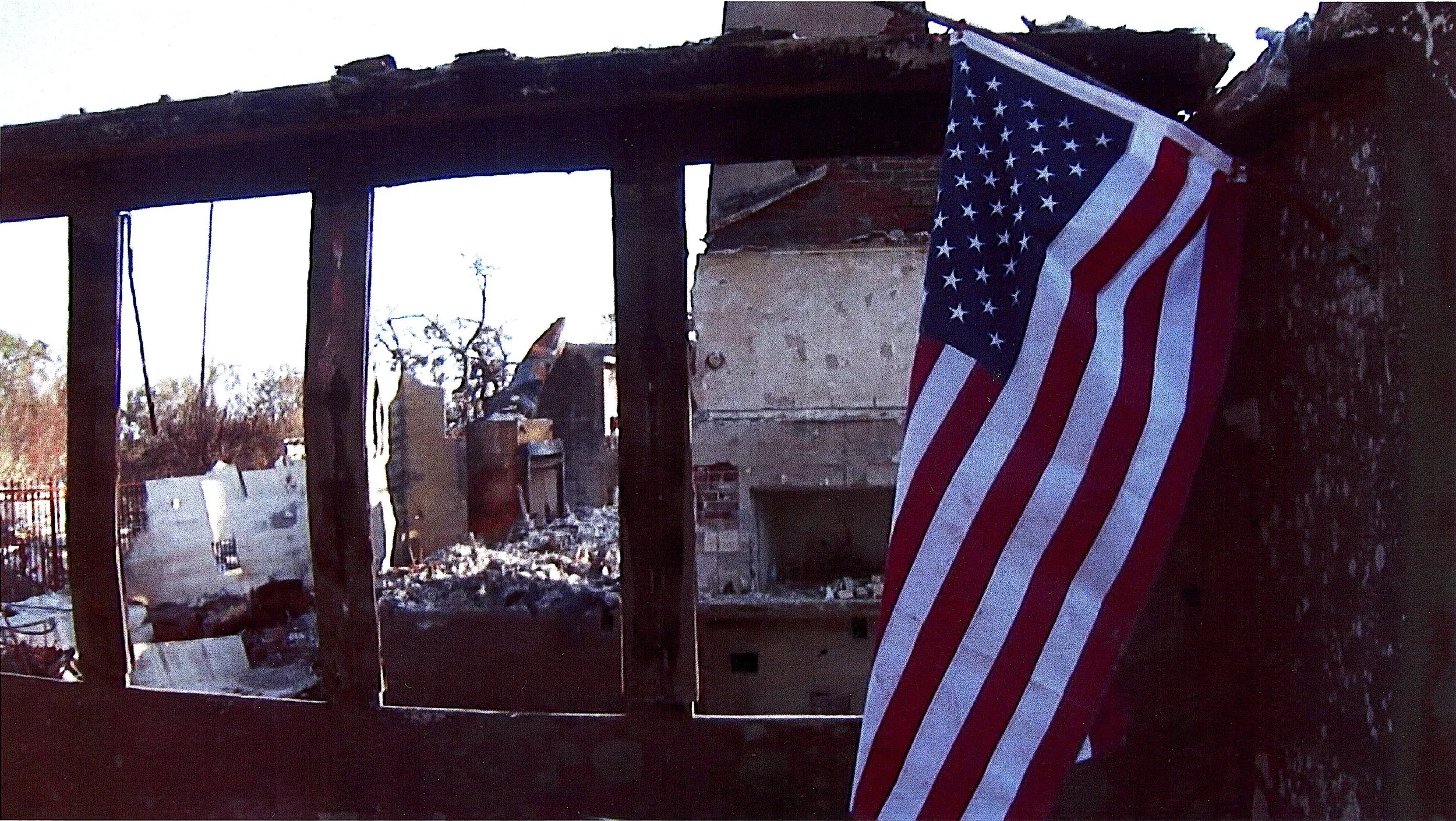
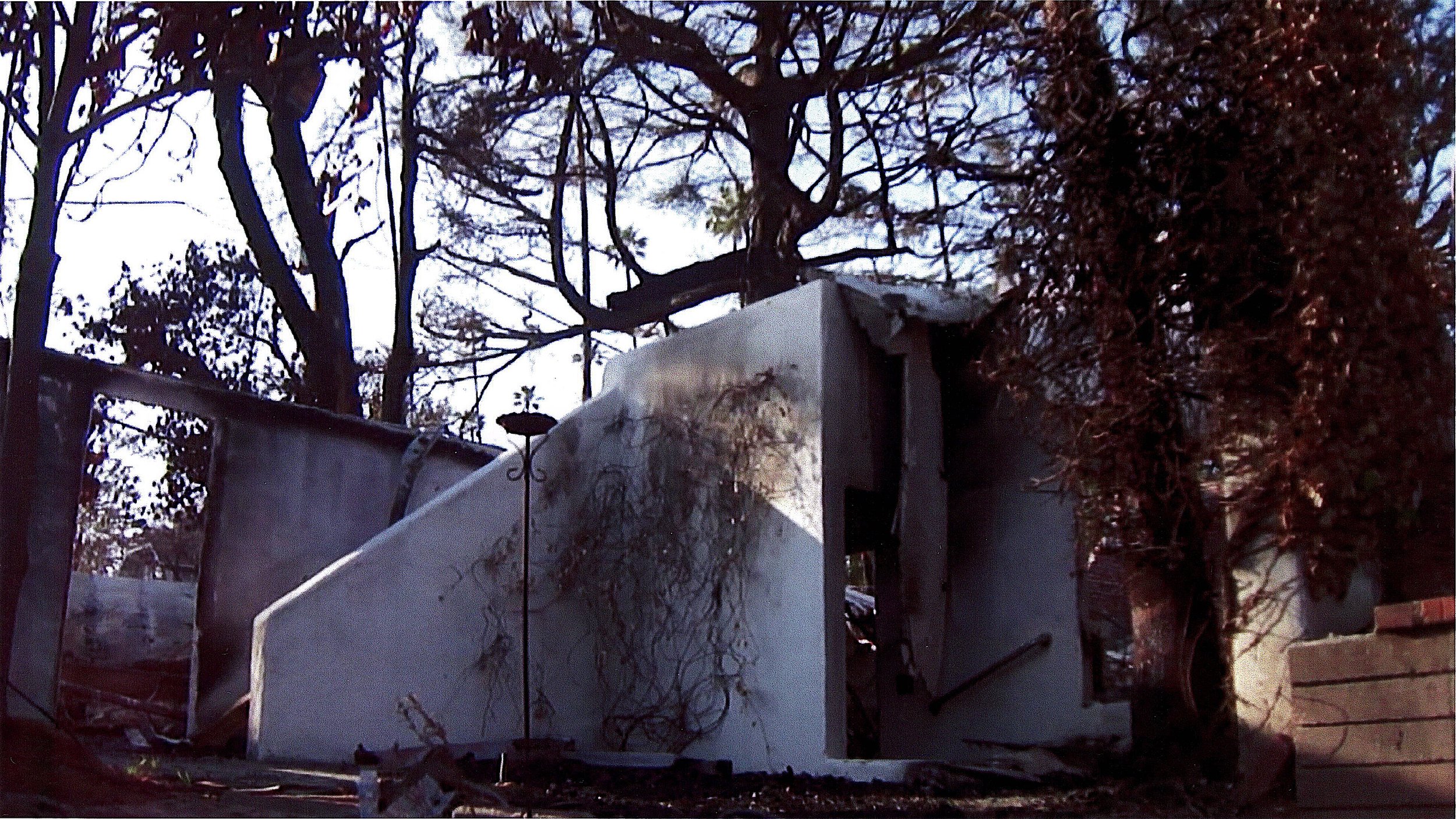
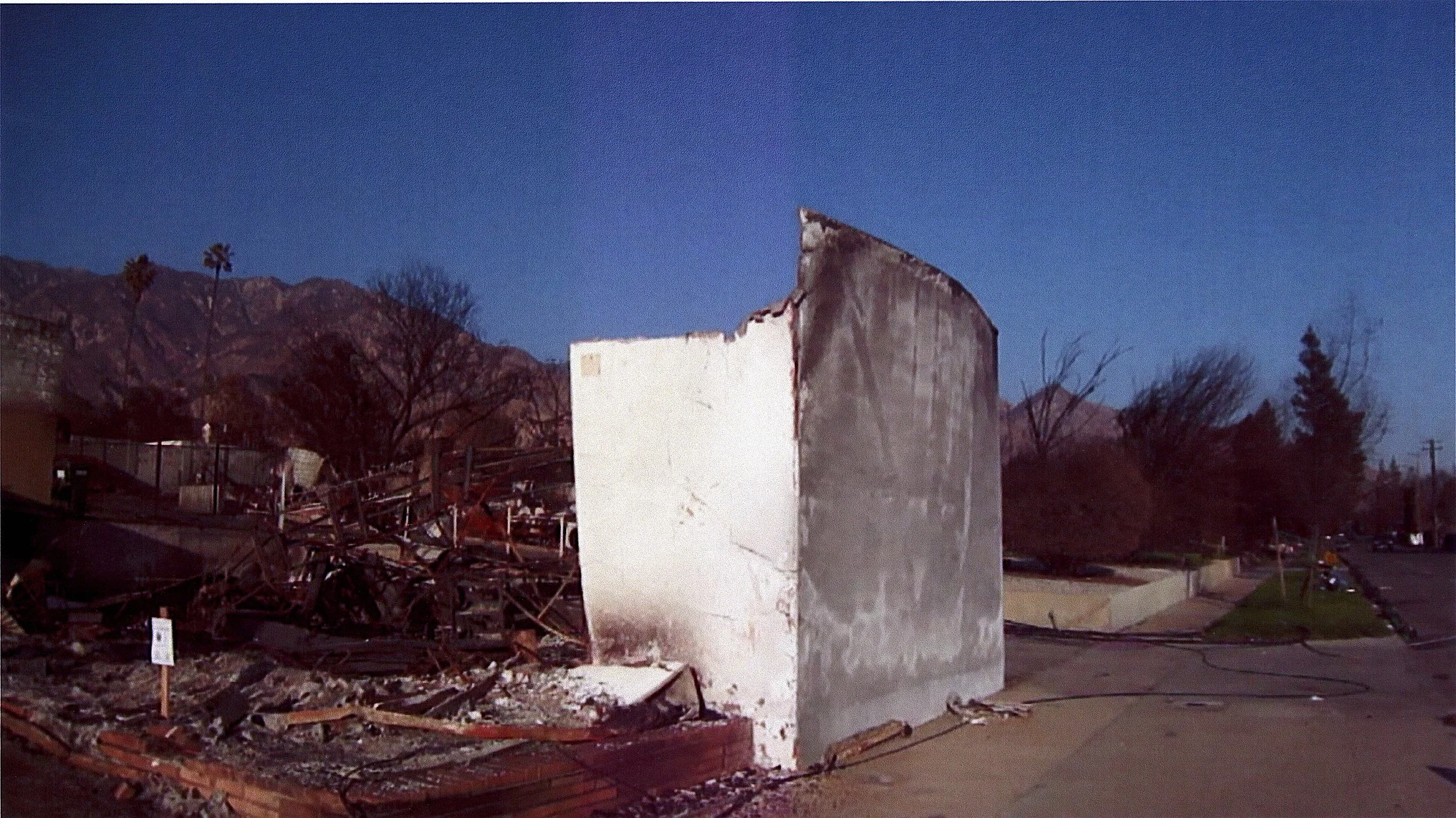
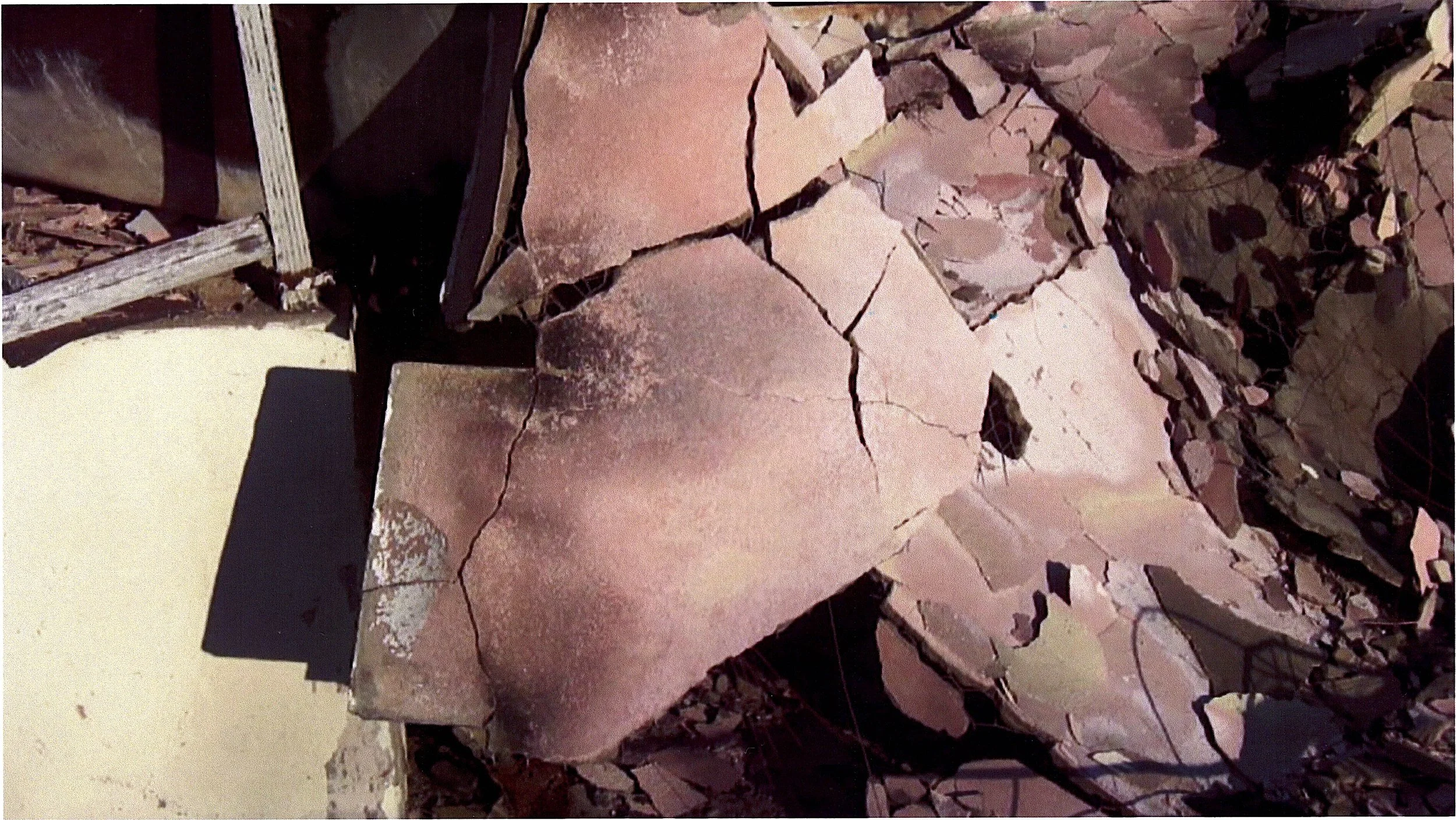
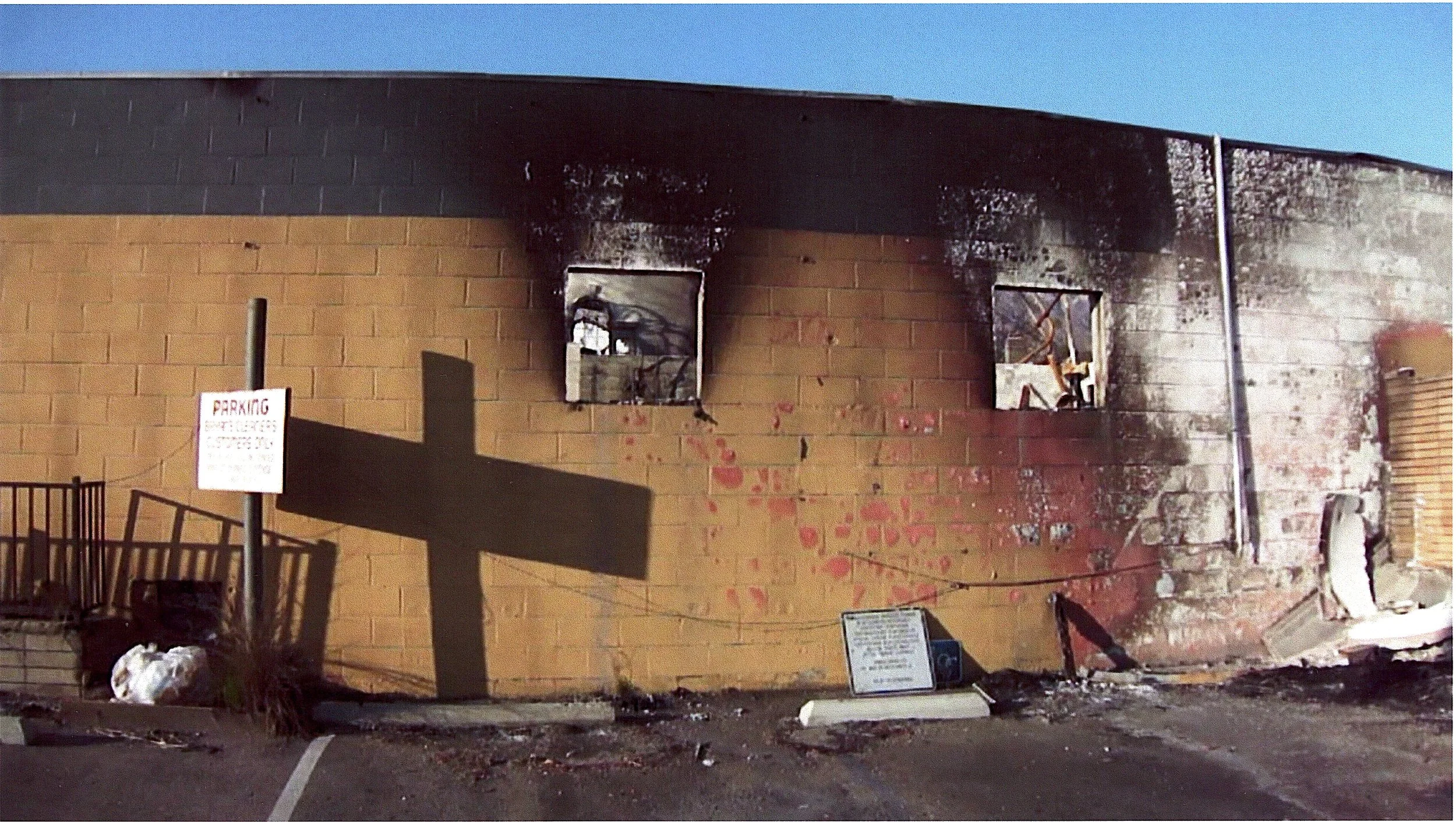
Another Roadside Attraction
written by Jameson
narrated by Jasper
The Economy of Words
written by Jameson
narrated by Jasper
fragments of the film The Economy of Words
The definition of Economy is a : careful management of available resources.
Here, the currency is words. When travelling on the road, sitting side by side with someone, it is undeniable that conversations will be had. Yet, much can be said with little words. Much can be said without any words. In a country where capitalism reigns supreme, where the more one owns the better off one is seen, the action of practicing or demonstrating restraint can be an interesting exercise to explore. Here, nothing was premeditated. We departed almost as swiftly as we came up with the idea of doing so, without any particular destination in mind. No grandiose plans. Just a will to venture off and discover something new.
Initially, 10 days was all we thought we had. Only once we travelled the entire country, and only after settling down in California for several days did I begin to reminisce on the countless hours spent side by side : during all this time there were little words exchanged that I can recall. Our sparse conversations were focused, and intentional, as if we had limited amounts of words, or as if we knew we had an abundance of time and hence chose our words carefully, as if to save the good ones for later. Yet, depths of personal thoughts and feelings had been reached.
Another notion came to mind : we were crossing a country who is infamous for its loudness. Notorious for its volume. Metaphorically speaking on a global scale, and physically speaking on a sensorial scale : the loud cacophony of cities crowned by sky scrapers, construction sites, banging metals or roaring engines with swirling sirens, snaking subways and howling winds blowing past the footsteps of millions of voices speaking atop one another with the numbed hope of hearing each other.
Yet as soon as we departed from these cities and entered the countryside all the noises began to fade. All of a sudden, we found ourselves travelling through places where the 348 million people who inhabit the land vanished. Silence surfaced and a sense of solitude accompanied it. This solitude brought peace, and stillness, in a place whose vastness and scale I had yet to fathom.